
The Ultimate Wallet Bridge Guide
As cryptocurrency adoption continues to rise, users are faced with a myriad of choices when it comes to managing their assets. For many, moving digital currencies between wallets is a necessity, especially when engaging in various blockchain networks. In this Wallet Bridge Guide, we will explore the ways these bridges function, their advantages, and how you can make the most out of your cryptocurrency transactions.
What is a Wallet Bridge?
A wallet bridge serves as a connection between different blockchain networks, enabling users to transfer assets from one wallet to another seamlessly. It’s like a bridge over a river, allowing for easy passage from one side to the other. For instance, if you want to exchange Ethereum for Bitcoin or move funds between DeFi platforms, a wallet bridge can simplify this process.
Why Do You Need a Wallet Bridge?
- Cross-Chain Transactions: Wallet bridges facilitate transactions across different blockchain networks, which is critical as the crypto landscape becomes increasingly diverse.
- Enhanced Accessibility: With wallet bridges, users can access various decentralized finance (DeFi) platforms without needing to set up new wallets for each.
- Improved Liquidity: Bridges can help increase liquidity across different exchanges and platforms by allowing the free movement of assets.
How Does a Wallet Bridge Work?
Here’s the catch: while the concept of a wallet bridge may sound simple, the underlying technology is quite complex. At its core, a wallet bridge leverages smart contracts and blockchain technology to ensure secure transactions. Here’s a simplified breakdown of the process:
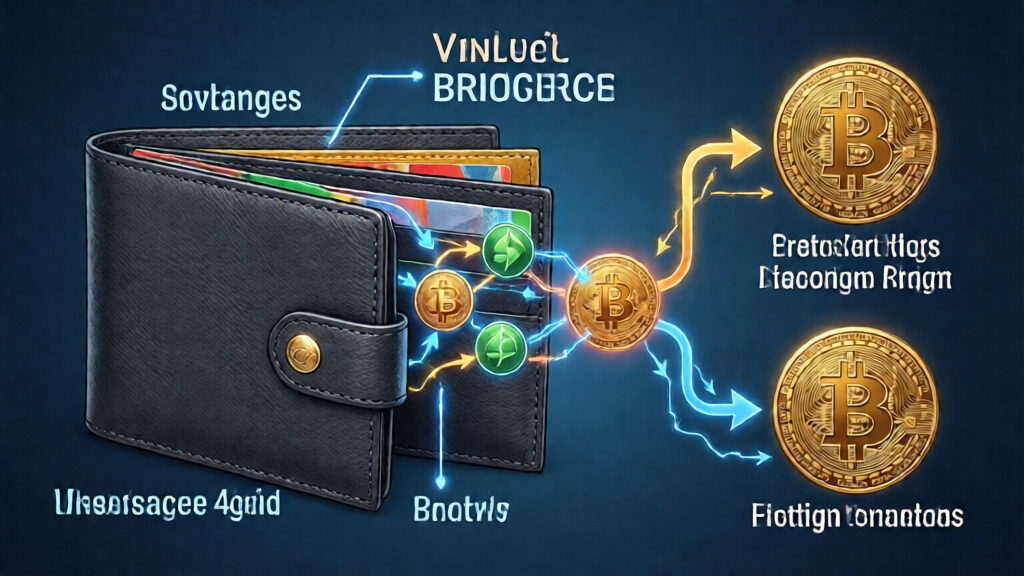
- **Initiation**: The user selects the wallet bridge platform and enters the amount and type of cryptocurrency they wish to transfer.
- **Approval**: The wallet bridge obtains the necessary approvals to initiate the transaction. This is where smart contracts come into play.
- **Token Minting**: Once the transaction is verified, the equivalent amount of the destination cryptocurrency is minted on the new blockchain.
- **Completion**: Finally, the tokens are credited to the user’s wallet on the new network.
Popular Wallet Bridges to Consider
With numerous options available, selecting a wallet bridge may feel overwhelming. Here are some popular platforms to consider:
- Polygon Bridge: Known for its low fees and quick transfers, the Polygon Bridge facilitates asset exchanges between Ethereum and Polygon networks.
- Binance Smart Chain Bridge: This bridge allows users to exchange tokens between Binance Smart Chain and other networks.
Market Trends and Statistics
According to a recent study by Chainalysis, the use of wallet bridges has increased by over 150% from 2022 to 2023, showcasing growing interest in cross-chain solutions. Furthermore, over 60% of surveyed users reported using wallet bridges to enhance their trading strategies.
Conclusion
Understanding the role of wallet bridges in cryptocurrency transactions can significantly enhance your trading experience by offering flexibility and accessibility. As the market continues to evolve, utilizing these tools will be essential for any serious trader or crypto enthusiast. For more insights into optimizing your crypto holdings and transactions, be sure to check out our additional resources at cryptocoinnewstoday.
About the Author
John Doe is a blockchain technology specialist and has penned over 50 articles on cryptocurrency and blockchain topics. He has led audits for well-known projects and is a sought-after speaker in the crypto community.