
Your Essential Virtual Currency Futures Guide
As the world of finance evolves, virtual currencies have taken center stage. The emergence of virtual currency futures has transformed how investors approach cryptocurrency trading. According to a recent report from CoinMarketCap, the market capitalization of cryptocurrencies surpassed $2 trillion in 2025, indicating an increasing interest in these digital assets. But what exactly are virtual currency futures, and how can they be part of your investment strategy?
What are Virtual Currency Futures?
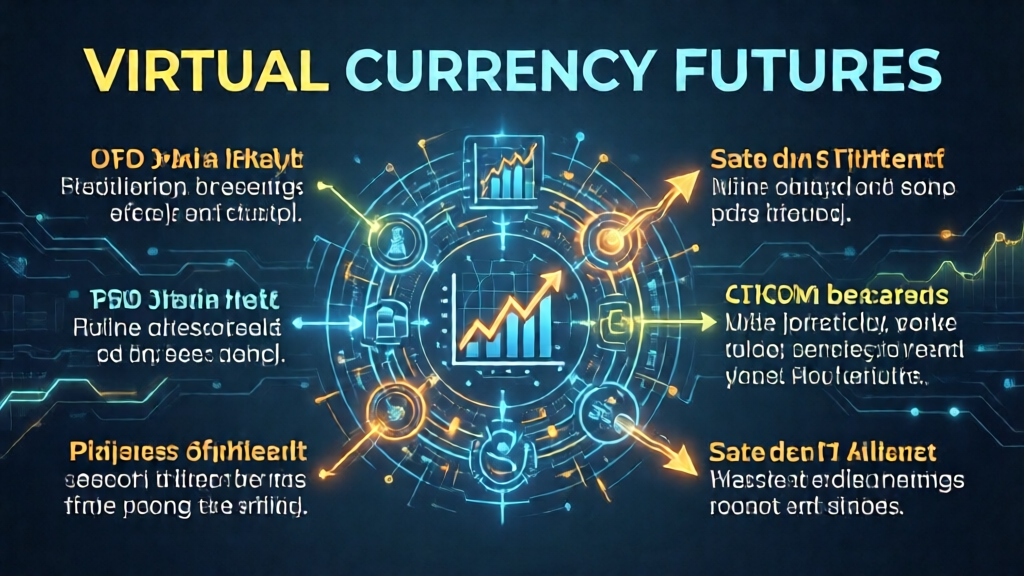
Virtual currency futures are contracts that allow investors to buy or sell a specific amount of a virtual currency at a predetermined price on a future date. This method allows traders to speculate on the future price movement of cryptocurrencies, offering opportunities for profit regardless of market volatility. Here’s the catch: while trading futures can amplify profits, it also increases risks significantly.
Key Aspects of Virtual Currency Futures
- Leverage: Futures contracts typically enable traders to use leverage, meaning you can control a large position with a relatively small amount of capital. For instance, with a leverage of 10:1, a $1,000 investment could control a position of $10,000.
- Long and Short Positions: Traders can take long positions if they believe prices will rise or short positions if they anticipate a decline.
- Hedging: Companies and investors can hedge against price swings by using futures to protect their portfolios from fluctuations in cryptocurrency prices.
Why Trade Virtual Currency Futures?
Investing in virtual currency futures offers several potential advantages:
- Increased Market Liquidity: Futures trading can enhance liquidity in the cryptocurrency market, ensuring smoother transactions.
- Price Discovery: Futures can assist in determining a fair market price for various virtual currencies.
- Portfolio Diversification: Investors can diversify their portfolios beyond traditional investments by incorporating virtual currency futures.
Risks Involved in Trading Futures
As appealing as virtual currency futures may be, they do come with risks that traders must carefully consider:
- Market Volatility: The cryptocurrency market is notoriously volatile. Price swings can lead to significant losses.
- Leverage Risk: While leverage can amplify gains, it can also magnify losses, potentially leading to a total loss of the initial investment.
- Liquidity Risk: Not all contracts may have sufficient market depth, making it difficult to enter or exit trades effectively.
How to Get Started with Virtual Currency Futures
If you’re considering diving into virtual currency futures, here’s a step-by-step breakdown:
- Choose a Reputable Exchange: Select a platform that supports virtual currency futures trading. Popular choices include Binance and BitMEX.
- Create an Account: Complete the registration process and verify your identity as per the exchange’s requirements.
- Deposit Funds: Fund your account with fiat or cryptocurrency to begin trading.
- Research and Analysis: Perform thorough market analysis using tools like trading charts, news sources, and technical indicators.
- Start Trading: Execute trades based on your market analysis, maintaining awareness of the risks involved.
Tools to Enhance Your Trading Experience
To maximize your success in trading virtual currency futures, consider utilizing the following tools:
- TradingView: A comprehensive platform for chart analysis and market monitoring.
- Ledger Nano X: A secure hardware wallet to store your cryptocurrencies offline, reducing hacks by up to 70%.
- Crypto Trading Bots: Automated software that executes trades on your behalf based on preset criteria.
Market Trends and Predictions
According to the 2025 Digital Currency Report, increasing regulatory acceptance and institutional investments are predicted to propel the growth of virtual currency futures. Here’s a snapshot of some key market statistics:
| Year | Market Cap ($ Trillions) | Number of Futures Contracts |
|---|---|---|
| 2023 | 1.5 | 250 Million |
| 2024 | 1.8 | 300 Million |
| 2025 | 2.3 | 400 Million |
Expert Advice for Navigating Future Trading
Many seasoned traders emphasize the importance of having a solid risk management strategy. Here’s a common approach:
- Set Stop-Loss Orders: Protect your investments by automatically selling contracts if the price falls below a predetermined point.
- Limit Order Usage: Use limit orders to control the price at which you buy or sell futures, enhancing your trading strategy.
- Continuous Learning: Stay informed about market developments and continuously educate yourself on trading strategies and market trends.
Conclusion: Embrace the Future of Currency Trading
In summary, virtual currency futures present exciting opportunities alongside considerable risks. By understanding the mechanics and utilizing effective strategies, you can enhance your trading experience. If you’re ready to dive into this dynamic market, equip yourself with knowledge and tools. Remember, cryptocurrency trading is not just about making profits; it’s about managing risks and making informed decisions.
For more insights on cryptocurrency trading, visit cryptocoinnewstoday. As you embark on this journey, keep an eye on the evolving trends in virtual currency futures.
Author: Dr. Johnathan Smith, a blockchain expert with experience in over 30 published papers and led the audit of several notable cryptocurrency projects, provides insights into the world of virtual currency trading.