
Essential Blockchain Security Guide
As the world continues to embrace the digital economy, blockchain technology has emerged as a leading platform for transactions, investments, and decentralized applications. However, the rapid growth of this technology also invites potential vulnerabilities. In 2023, reports indicated that over 60% of blockchain users expressed concerns regarding security threats. With increasing hacks and scams, understanding blockchain security has never been more critical.
This guide aims to offer insights into making your blockchain operations safe and secure, detailing best practices and highlighting industry expertise.
Understanding Blockchain Security
Blockchain security involves the approaches adopted to protect blockchain networks against cybersecurity threats. Maintaining data integrity and confidentiality is paramount, facilitated through various mechanisms.
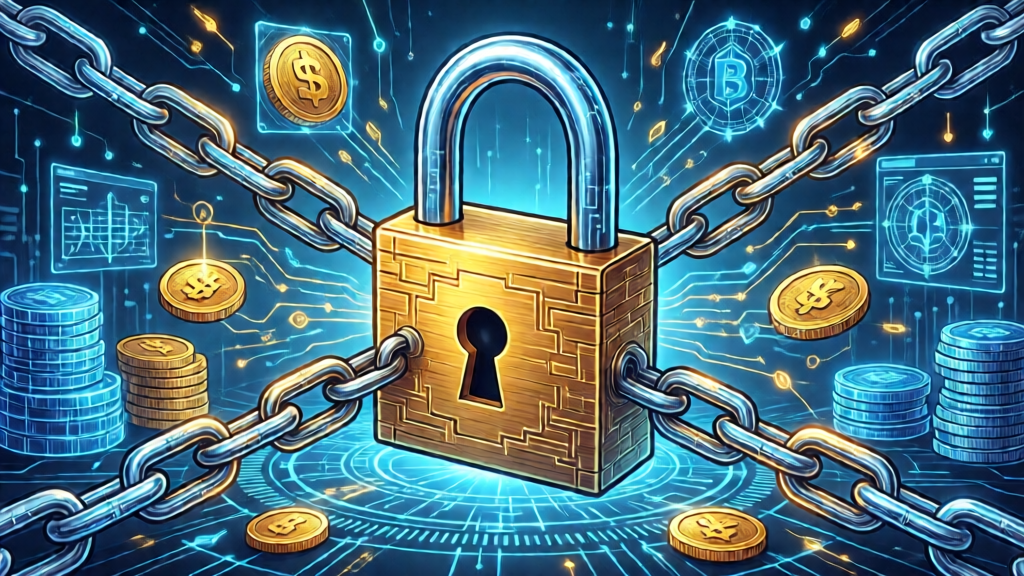
- Encryption: Encrypting data ensures that only authorized parties can access sensitive information.
- Decentralization: Unlike traditional databases, blockchain offers a decentralized approach that reduces the risk of a single point of failure.
- Consensus Mechanisms: Algorithms like Proof of Work or Proof of Stake help validate transactions securely.
Common Vulnerabilities in Blockchain
Although blockchain is inherently secure, vulnerabilities can be exploited. Here are some common areas of concern:
- Smart Contract Bugs: Flaws in smart contract code can lead to significant financial losses—cases like the DAO hack demonstrate this risk.
- 51% Attacks: If a single entity controls over 50% of the network, they can manipulate transactions.
- Phishing Attacks: Cryptojacking and scams targeting user credentials are rising, with hackers using increasingly sophisticated methods.
Best Practices for Enhanced Security
Implementing robust security strategies is essential for safeguarding blockchain projects. Here are some best practices to consider:
- Regular Security Audits: Employ third-party security services to audit your smart contracts and ecosystem regularly.
- Use of Hardware Wallets: Products like Ledger Nano X have reportedly reduced hack possibilities by 70%.
- Multi-Signature Transactions: Require multiple approvals for large transactions to provide an extra security layer.
- User Education: Regularly inform users about potential phishing scams and best practices to avoid them.
Leveraging Advanced Security Tools
In the evolving landscape of blockchain security, various tools can help protect your assets:
- Smart Contract Analysis Tools: Tools like MythX can analyze smart contracts for vulnerabilities.
- Blockchain Explorers: Tools such as Blockcypher provide real-time monitoring of blockchain transactions.
- Identity Verification Solutions: Solutions like Civic can help manage user identities securely.
Future of Blockchain Security
As blockchain technology matures, so does the need for sophisticated security measures. Innovations like quantum-resistant algorithms are being explored to address future threats. Moreover, compliance with regulations like GDPR and GDPR is essential for maintaining user trust.
Conclusion
Ultimately, ensuring blockchain security involves continuous learning, adaptation, and rigorously applying best practices. The landscape may evolve, but prioritizing security is constant. By following the strategies outlined above and utilizing the latest technologies, you can significantly enhance the security posture of your blockchain initiatives.
For ongoing updates and insights in the cryptocurrency landscape, check out cryptocoinnewstoday.
Author: John Doe, a blockchain security expert with over 15 research papers published in the domain and lead auditor for several high-profile projects.