

Navigating Vietnam’s DeFi Dispute Resolution Landscape
With a staggering $4.1 billion lost to decentralized finance (DeFi) hacks in 2024 alone, the need for effective dispute resolution mechanisms in Vietnam’s emerging blockchain ecosystem has never been more critical. As blockchain technology matures in this vibrant Southeast Asian market, understanding the frameworks for resolving disputes that arise from DeFi projects is essential for investors and participants alike.
This article aims to dissect the current state of dispute resolution in Vietnam’s DeFi landscape, offering a comprehensive overview of mechanisms in place, stakeholder roles, and future implications. By the end of this piece, you will have a clearer understanding of how these mechanisms function and why they matter in the increasingly volatile world of cryptocurrency.
1. The Rise of DeFi in Vietnam
In recent years, the DeFi space in Vietnam has experienced remarkable growth, mirroring global trends. As of 2023, Vietnam witnessed a 300% increase in DeFi user adoption, positioning itself as a crucial player in the Southeast Asian crypto market. This surge can be attributed to various factors, including the proliferation of smartphones, an expanding digital payment infrastructure, and a young, tech-savvy population eager to explore financial alternatives.
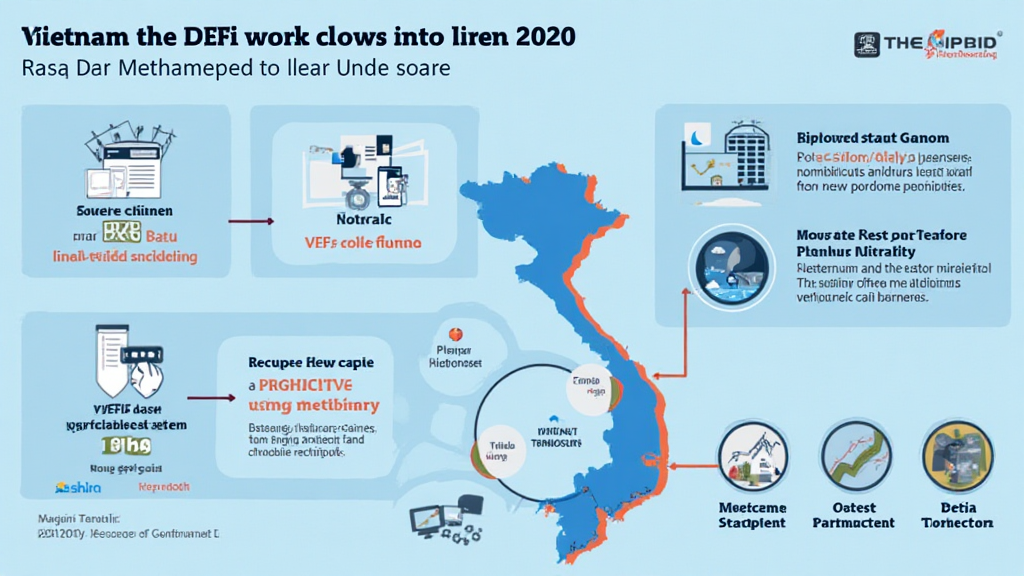
However, with great opportunity comes inherent risks. As more Vietnamese invest in DeFi protocols, understanding how to address and resolve disputes becomes paramount.
2. Understanding Dispute Resolution Mechanisms
In the DeFi world, conflicts may arise from smart contract failures, transaction errors, or fraudulent activities. Let’s break down the primary dispute resolution mechanisms available to users in Vietnam:
- Smart Contract Audits: Ensuring smart contracts are coded correctly can significantly reduce risks. Independent auditing firms typically specialize in thoroughly evaluating the code before launch.
- Decentralized Arbitration Platforms: Platforms such as Kleros and OriginTrail provide decentralized arbitration, allowing users to resolve conflicts without centralized authority. These systems leverage community-based jurors to determine outcomes.
- Blockchain as Evidence: The immutable nature of blockchain records can serve as reliable evidence in disputes, thereby reducing ambiguity and enhancing trust in the reconciliation process.
The effectiveness of these mechanisms can make or break investors’ trust in the DeFi sector. Hence, understanding these processes is critical as Vietnam continues to grow within this digital finance revolution.
3. The Role of Regulations in Dispute Resolution
Regulatory frameworks surrounding DeFi in Vietnam are still developing. The Vietnamese government has shown a cautious but progressive approach toward blockchain technology. A few proposed regulations could enhance dispute resolution:
- Standardization of Protocols: Implementing baseline security standards, such as tiêu chuẩn an ninh blockchain, can help protect users while making dispute resolution processes more effective.
- Consumer Protection Laws: Establishing consumer protection for users involved in DeFi can streamline dispute settlements, offering stronger legal grounds for users to seek recourse.
- Licensing Frameworks: Licensing DeFi platforms can instill confidence in users and ensure that platforms have defined dispute mechanisms in place.
As these regulations gradually take shape, they will help create a more predictable environment for both users and developers in the Vietnamese market.
4. Case Studies of Dispute Resolution in Action
To better understand these mechanisms, let’s look at a few real-world examples:
- Case Study 1: Smart Contract Failures – In early 2024, a substantial amount of funds was locked in a faulty smart contract. An independent audit revealed coding errors, leading to a resolution through reimbursement of affected users.
- Case Study 2: Fraudulent Activity – A DeFi project in Vietnam faced allegations of fraud. The platform accepted community arbitration, where jurors reviewed transaction records on the blockchain. The final verdict favored the users, with the platform compensating them.
These cases highlight the necessity for reliable and effective dispute resolution mechanisms that can respond to the unique challenges that DeFi presents.
5. Looking Ahead: The Future of Dispute Resolution in Vietnam’s DeFi
As Vietnam solidifies its place in the DeFi sector, here are several predictions for how dispute resolution may evolve:
- Enhanced Use of AI: Future platforms may use AI technology to streamline dispute resolutions, offering quick an evidence-driven process.
- Community-Driven Solutions: With the growth of user participation, decentralized governance systems could emerge, allowing community members to propose and vote on changes to resolutions in DeFi protocols.
- Increased Collaboration with Tech Experts: As disputes become increasingly complex, innovative solutions may arise through collaboration between blockchain developers and dispute resolution experts.
Ultimately, ongoing advancements in both technology and regulations will significantly impact the efficacy of dispute resolution mechanisms in Vietnam’s DeFi space.
In conclusion, as Vietnam’s DeFi landscape continues to grow rapidly, the need for reliable and effective dispute resolution mechanisms becomes paramount. By adopting smart contract audits, decentralized arbitration, and engaging with evolving regulations, all stakeholders can navigate this complex ecosystem effectively. Keep an eye on this space as Vietnam emerges as a beacon of growth in the global DeFi arena.
To stay informed about the latest developments and trends in cryptocurrency and blockchain technology, make sure to visit cryptocoinnewstoday.
Acknowledgements: This article was authored by Dr. Nguyen Minh Tu, a blockchain technology expert with over 15 publications in the area of digital asset regulation and a coordinator of renowned DeFi projects audits.