
Introduction
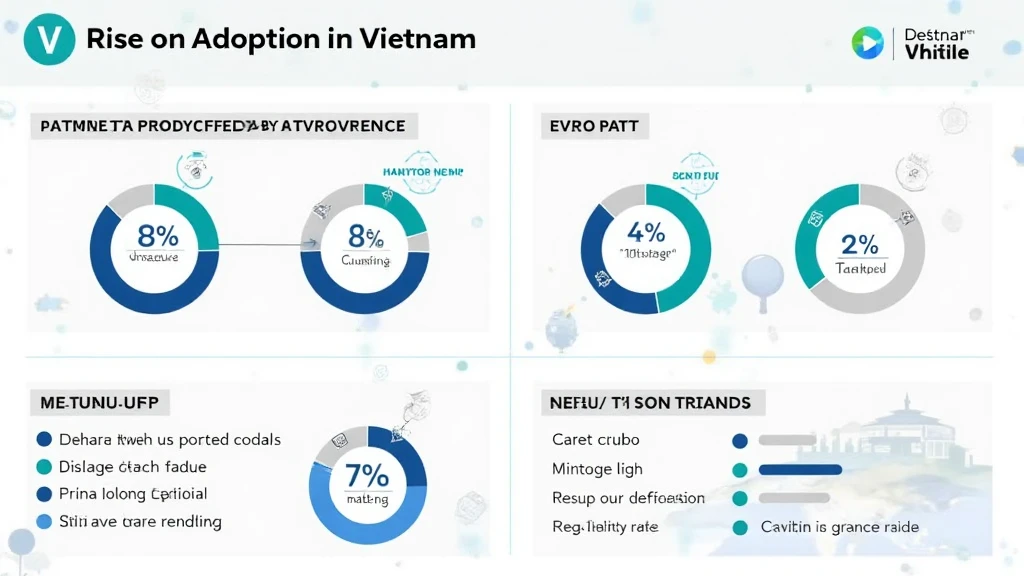
In recent years, with rapid advancements in technology and finance, the world has witnessed a significant rise in the popularity of cryptocurrencies. This trend is particularly notable in Vietnam, where recent data shows that the number of cryptocurrency users has grown by 28% over the past year, reflecting a burgeoning interest in digital assets among the local populace. However, with this growth comes an increasing demand for clarity around Vietnam crypto privacy laws. As individuals and companies begin to navigate this complex landscape, understanding the legal implications becomes crucial. In this article, we will delve into the intricacies of Vietnam’s regulations surrounding cryptocurrency privacy, explore compliance requirements, and offer practical insights for stakeholders navigating this exciting but convoluted terrain.
Vietnam’s Crypto Regulatory Framework
As of 2023, Vietnam’s government has taken a cautious approach towards the regulation of cryptocurrencies. The State Bank of Vietnam has issued warnings regarding the use of cryptocurrencies for payments and transactions, but has simultaneously recognized the potential benefits of blockchain technology. Currently, the legal framework surrounding digital currencies is evolving, but there are several key aspects that anyone involved in the crypto space should be aware of:
- Legal Status: According to the current regulations, cryptocurrencies are not recognized as legal tender in Vietnam. However, trading, mining, and using them for investment purposes is not explicitly prohibited.
- Privacy and User Data: As privacy concerns in the crypto sector grow, the Vietnamese government is beginning to emphasize the need for crypto businesses to prioritize user data protection. This trend aligns with a global movement towards stringent data privacy regulations.
- Compliance Requirements: Companies operating in the crypto sector must comply with Anti-Money Laundering (AML) laws and Know Your Customer (KYC) rules, ensuring that they conduct thorough due diligence on their users.
Understanding Privacy Laws in the Context of Cryptocurrency
Privacy laws are essential for protecting individuals’ personal data in the digital realm. In the context of Vietnam’s crypto sector, several key regulations must be understood:
- Data Protection: The General Data Protection Regulation (GDPR) may not apply directly to Vietnam; however, local businesses that deal with the data of EU citizens will need to align with GDPR standards.
- Blockchain and Privacy: While blockchain technology is often praised for its transparency, it poses unique challenges regarding user privacy. Transactions, while pseudonymous, can potentially expose user identities when analyzed.
The Importance of Compliance in Vietnam’s Crypto Industry
Given that Vietnam’s legal landscape regarding cryptocurrency is still developing, compliance is paramount for businesses operating in this sector. Some best practices include:
- Implementing Robust KYC Procedures: Ensure that identification processes are thorough and compliant with local regulations, which will safeguard your platform against legal repercussions.
- Conducting Regular Audits: Regularly audit your processes to ensure compliance with laws. Engaging a third-party auditor can provide an unbiased view.
- Investing in Legal Expertise: Consult legal experts familiar with Vietnam’s evolving regulations to stay updated.
Consumer Rights and Protections in Crypto Transactions
As consumer awareness regarding cryptocurrency increases, so does the need for clarity on consumer rights and protections:
- Transparency in Transactions: Users must be informed about the fees, risks, and procedures involved in crypto transactions.
- Fraud Protections: Consumers should be educated on recognizing scams and the protocols that crypto platforms should have in place to protect them.
Looking Ahead: Future Directions for Vietnam’s Crypto Laws
As the global trend towards cryptocurrency adoption continues, it is likely that Vietnam will enhance its legal framework governing digital assets. Potential future developments may include:
- New Regulations: Increased specificity in regulatory guidelines for blockchain applications and cryptocurrency use.
- Enhanced Consumer Protection: Stricter requirements for disclosures and greater emphasis on consumer rights in the crypto realm.
Conclusion
The journey for cryptocurrency in Vietnam is at the cusp of transformation, with users calling for greater clarity and protection in the realm of digital assets. Understanding Vietnam crypto privacy laws is not just important for compliance, but also essential for fostering trust and safeguarding the rights of users. As regulations change and evolve, it will be crucial for businesses and consumers alike to remain informed and engaged in the dialogue surrounding crypto policy in Vietnam.
Ultimately, as the industry matures, we anticipate more robust frameworks that not only protect consumer rights but also promote innovation in the blockchain space. For further insights and guides on how to navigate the crypto landscape in Vietnam, visit cryptocoinnewstoday.