
Web3 Technology in Vietnam: Unlocking Digital Opportunities
With the rapid evolution of technology, Vietnam stands poised at the forefront of the digital revolution, particularly in the realm of Web3 technology. According to recent reports, Vietnam’s blockchain industry is projected to grow by an astounding 45% annually, making it a hotspot for digital transformation. This article delves into the various aspects of Web3 technology in Vietnam, highlighting its potential, challenges, and future directions.
Understanding Web3 Technology
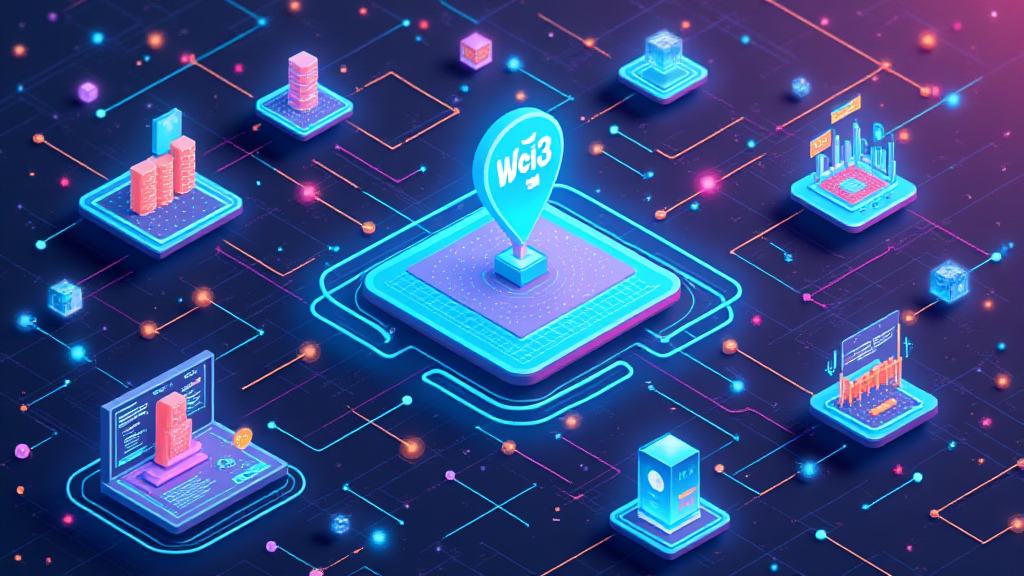
Web3 represents the next evolution of the internet, shifting from centralized systems to decentralized platforms. Unlike Web2, which relied heavily on user-generated content hosted on centralized servers, Web3 utilizes blockchain technology to create a more secure, transparent, and user-governed online experience. In this new paradigm, users have greater control over their data and digital identities.
The Core Features of Web3
- Decentralization: Unlike traditional platforms, Web3 operates on decentralized networks that distribute data and applications across multiple nodes.
- Transparency: Every transaction on a blockchain is publicly verifiable, which enhances trust among users.
- Tokenization: Digital assets can be tokenized, allowing users to own, trade, and monetize their contributions.
The Growth of Blockchain in Vietnam
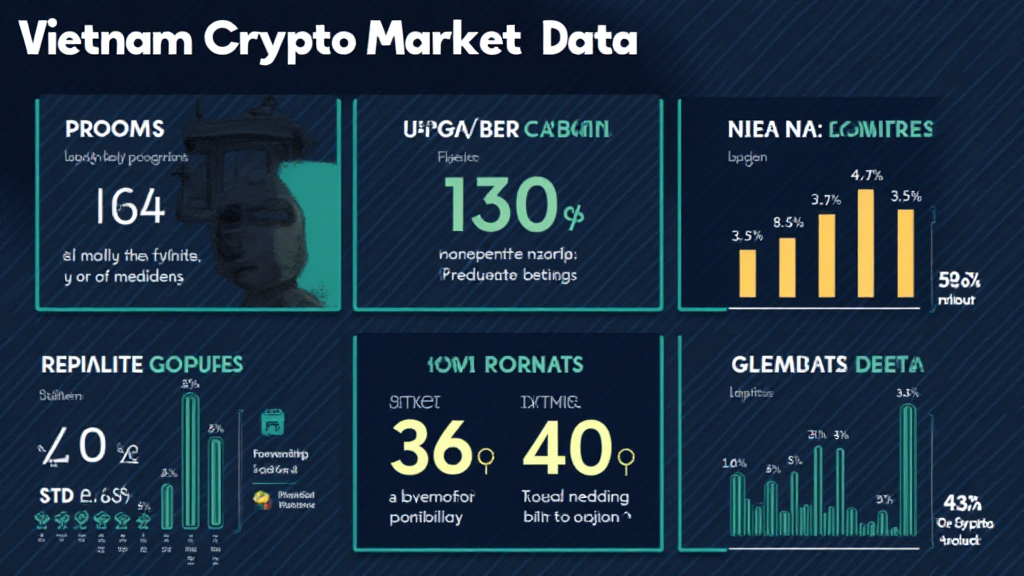
Vietnam is becoming an emerging hub for blockchain technology, driven by increasing interest from either the young population or tech-savvy entrepreneurs. According to a report by Statista, as of 2023, there were approximately 2 million cryptocurrency users in Vietnam, marking a 30% growth from the previous year. This uptick reflects the increasing acceptance of blockchain and crypto in mainstream finance and commerce.
Encouraging Factors for Adoption
- Government Support: The Vietnamese government has shown interest in promoting blockchain technology through regulatory frameworks.
- Educational Initiatives: Universities and institutions are offering courses focused on blockchain and cryptocurrencies.
- Innovation Ecosystem: Startups are actively developing solutions that leverage blockchain for various sectors such as finance, healthcare, and logistics.
Web3 Projects Growing in Vietnam
Numerous projects are already paving the way for Web3 in Vietnam. Many of these projects focus on innovations such as decentralized finance (DeFi) and non-fungible tokens (NFTs). Here are a few notable examples:
- Binance Vietnam: Binance aims to provide Vietnamese users with access to decentralized exchanges and other blockchain services.
- Coin68: This platform offers news and analysis related to cryptocurrencies, helping educate users and promote blockchain literacy.
- Hochiminh City Blockchain Association: This organization fosters collaboration among stakeholders in the blockchain ecosystem.
Challenges Facing Web3 Adoption
While the potential for Web3 technology in Vietnam is immense, several challenges remain:
- Regulatory Uncertainty: The evolving legal landscape poses risks for blockchain enterprises.
- Security Concerns: With the rise of hacks and scams, consumers require better security measures.
- Lack of Technical Expertise: Many developers need additional training and resources to build Web3 applications.
Conclusion: The Future of Web3 in Vietnam
As Vietnam continues to embrace Web3 technology, the opportunities are vast and varied. The combination of government support, an enthusiastic population, and a growing tech ecosystem lays the foundation for a thriving blockchain landscape. Looking ahead, it’s crucial for stakeholders to address challenges such as security, education, and regulatory frameworks to maximize the potential of this transformative technology.
In summary, as the Web3 landscape evolves, it is essential to remain informed and engaged. Understanding and participating in this new digital frontier will significantly shape not only Vietnam’s technological future but also its economic landscape.
For more insights into the crypto landscape, visit cryptocoinnewstoday.
Written by Dr. Minh Nguyen, a blockchain technology researcher with over 15 published papers and a leading auditor on notable crypto projects.