
Quantum Computing Crypto Threat: Preparing for the Inevitable
As blockchain technology and cryptocurrency permeate every corner of our digital lives, the looming threat of quantum computing is becoming an increasingly pressing concern. With reports indicating that approximately
Understanding Quantum Computing
Before diving into the specifics of the quantum computing crypto threat, it’s essential to grasp the fundamentals of quantum computing itself. Traditional computers utilize bits that can be in a state of either 0 or 1. In contrast, quantum computers use quantum bits or qubits, which can exist in multiple states at once due to
The Implications for Cryptography
Cryptography is the backbone of digital security, ensuring data confidentiality and integrity. Current cryptographic methods, such as RSA and ECDSA, rely on mathematical problems that are practically impossible for classical computers to solve quickly. However, quantum computing could render these cryptosystems obsolete. For instance, Shor’s algorithm enables quantum computers to factor large numbers efficiently, breaking the security of RSA encryption, which many cryptocurrencies use.
Real-World Scenarios: Are We Prepared?
Let’s put this into context. Imagine your bank’s vault, a highly secure location protecting your assets. Quantum computing threatens to transform that vault into a mere
Responding to Quantum Threats
Given the potential risks posed by quantum computing, what strategies can be implemented to prepare and protect our digital assets?
1. Transitioning to Quantum-Resistant Cryptography
- Organizations are encouraged to adopt quantum-resistant algorithms, such as lattice-based and hash-based cryptographies, which fundamentally redefine the way security works.
- Standardization bodies are pushing for a shift towards post-quantum cryptography to future-proof current blockchain architectures.
2. Proactive Security Measures
- Utilizing hardware wallets, like the
- Regular updates and audits on smart contract security can help mitigate risks associated with exploiting cryptographic weaknesses.
3. Educating the Community
Awareness and education are as crucial as technological defenses. Developers, investors, and crypto-enthusiasts should proactively learn about the implications of quantum computing and remain updated on advancements in the industry.
Vietnam’s Response to Quantum Threats
The Vietnamese blockchain market has shown resilience and innovation in the face of modern challenges. With the government beginning to recognize the importance of cybersecurity measures, we can only hope that initiatives targeting quantum resistance will become a priority.
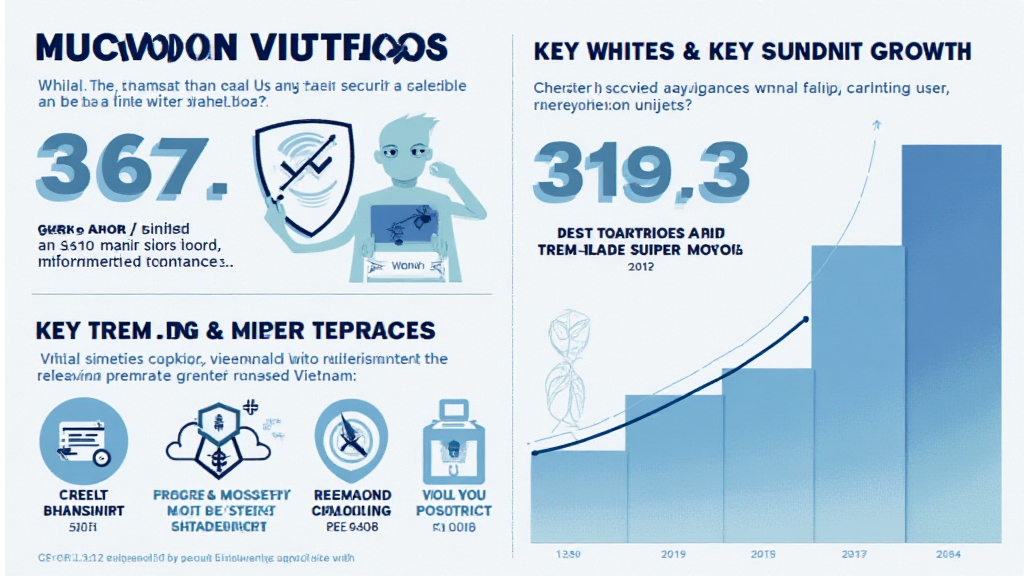
Key Statistics on Vietnamese Blockchain Growth
According to recent studies, the cryptocurrency user base in Vietnam surpassed
Conclusion
In conclusion, the quantum computing crypto threat is not merely a speculative discussion; it’s a looming reality that can jeopardize the security of our digital assets. With advancements in quantum technology, the need for robust, quantum-resistant solutions and measures has never been greater. Proactive steps must be taken today to ensure security protocols keep pace with technological development.
As we navigate this dynamic landscape, let’s play our part by educating ourselves and adopting the necessary precautions. By being prepared, we can guard against the potential upheaval that quantum computing might bring.
For further insights and resources related to cryptocurrency security, visit cryptocoinnewstoday.