
Navigating the EU’s Crypto Regulatory Framework: Insights into MiCA 2025
With the increasing complexity of the cryptocurrency landscape and the significant losses reported due to security breaches—over $4.1 billion lost in DeFi hacks in 2024—the call for robust regulations has never been more urgent. The EU’s Markets in Crypto-Assets (MiCA) framework, set to take effect in 2025, is a pivotal development aimed at safeguarding both consumers and the integrity of the digital asset market. But what exactly does MiCA entail, and how does it shape the future of cryptocurrency in Europe and beyond?
Understanding the MiCA Framework
The MiCA legislation addresses a variety of issues related to crypto assets, including transparency, consumer protection, and market integrity. It aims to create a unified regulatory landscape across the EU, which is crucial as the market is fragmented with varying regulations in different member states.
- **Transparency and Disclosure**: Crypto service providers will be required to provide clear information about their offerings, including risks involved.
- **Licensing Requirements**: Firms offering crypto services will need to obtain a license, ensuring they meet stringent operational and security standards.
- **Consumer Protection**: MiCA puts consumer interests at the forefront, making it illegal for companies to make misleading claims regarding their crypto products.
Impact on Investors and Businesses
For investors, the MiCA framework promises greater security and assurance regarding the authenticity of their assets. Here’s how:
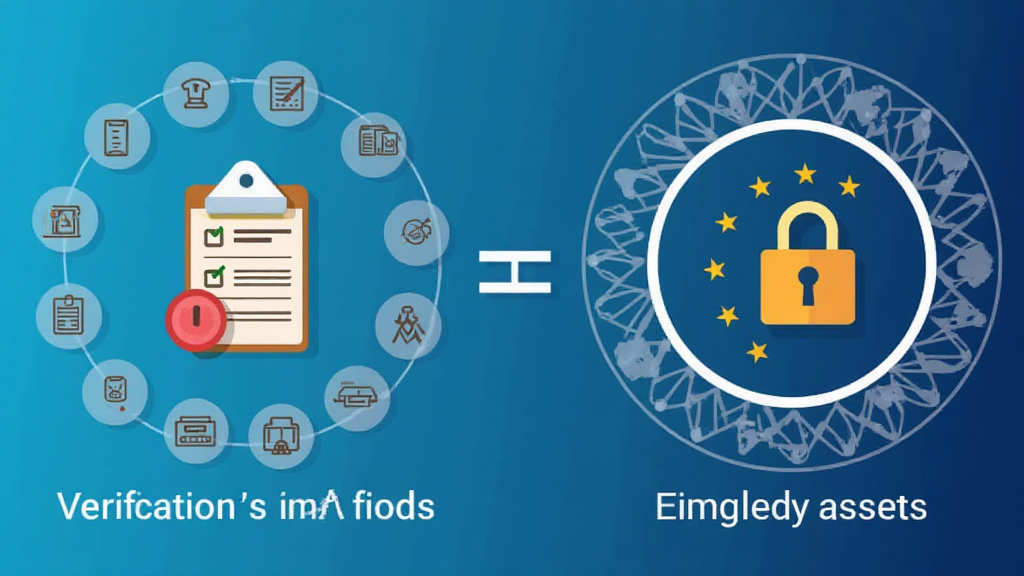
- **Enhanced Security Standards**: Companies will be mandated to adopt stringent cybersecurity measures to protect client funds.
- **Clear Recourse Options**: In cases of fraud or failure, consumers will have more straightforward pathways to seek redress.
- **Market Integrity**: Regulations will help mitigate the risks associated with market manipulation, creating a more stable environment for investments.
Global Implications of MiCA
The MiCA regulations set a critical precedent on the global stage. Countries outside the EU will look to MiCA as a model for establishing their own crypto regulations. Let’s break down some notable aspects:
- **Stressing Compliance**: As key players, like Vietnam’s government, observe the EU’s approach, they are more likely to introduce similar standards, evidenced by Vietnam’s rapid crypto user growth, reported at an impressive 197% in 2023.
- **Collaboration Opportunities**: There’s a rising incentive for global cooperation in regulating cryptocurrencies, positively impacting cross-border transactions.
An In-Depth Look at the Compliance Process
To operate under MiCA, companies must navigate a complex compliance process. Here’s a brief overview:
- **Documentation and Disclosure**: Firms need to prepare comprehensive documents detailing their operations, risk management strategies, and financial health.
- **Auditing and Reporting**: Regular audits will become mandatory to ensure ongoing compliance with the regulations.
- **Continuous Education**: The evolving nature of crypto assets means businesses must continuously update their knowledge and practices regarding compliance.
Security Standards and Best Practices
As the regulations define new layers of security, firms will need to ensure they meet these standards. Here are some best practices:
- **Implementing Advanced Encryption**: Technologies should be employed to secure user data and transactions.
- **Regular Security Audits**: Just as financial entities undergo audits, crypto firms are now expected to regularly assess their cybersecurity measures.
- **Utilizing Hardware Wallets**: Tools like the Ledger Nano X can significantly reduce hacks by ensuring that private keys are stored securely offline.
Looking Beyond 2025: What Lies Ahead?
As the MiCA regulations come into force, they will not only impact the regulatory landscape but also influence market behaviors and investor confidence. The next five years will likely see:
- **An Increased Focus on Compliance**: Companies failing to comply may face severe penalties, urging many to prioritize adherence.
- **Innovation in Security Technologies**: As threats evolve, so too will the technology to combat them, creating a need for continual innovation.
- **Expanded Market Participation**: Clear regulations could encourage more participants to enter the crypto market, fostering greater innovation.
As we anticipate MiCA’s implementation in 2025, stakeholders in the crypto ecosystem must prepare and adapt to these changes. This presents an opportunity for businesses and investors alike to enhance their practices in a more regulated environment.
In summary, the MiCA framework heralds a pivotal shift in the EU’s approach to cryptocurrency regulation, setting a benchmark for other regions, especially as markets like Vietnam continue to grow rapidly. As we look ahead, understanding and leveraging the regulatory shifts will be crucial for success in the evolving digital landscape.
For further insights, visit cryptocoinnewstoday and stay updated on the latest cryptocurrency regulations and trends.
Author: Jim Appleton – A recognized expert in blockchain regulation, Jim has published over 30 academic papers in the field, and has led audits for several notable crypto projects, helping to shape regulatory practices in emerging markets.