
Introduction
In the rapidly evolving world of cryptocurrency, stablecoins have gained significant traction, with a market cap exceeding $150 billion in 2024. These digital assets, designed to maintain a stable value against traditional currencies, provide a bridge between fiat currencies and the crypto ecosystem. However, as stablecoins continue to proliferate, the need for robust regulatory frameworks becomes increasingly critical. With $4.1 billion lost to DeFi hacks in 2024, securing the integrity of stablecoin operations through effective regulations cannot be overstated.
This article aims to explore stablecoin regulatory frameworks and their implications on the broader crypto landscape. We’ll analyze the current trends, highlight the specifics in different countries—especially focusing on emerging markets such as Vietnam—and discuss what the future likely holds for this ever-evolving sector.
Understanding Stablecoins
Before diving into the regulatory frameworks, it’s essential to grasp what stablecoins are. Simply put, stablecoins are cryptocurrencies that are pegged to an underlying asset, often fiat currency like the US dollar (USD). They are typically categorized into three main types:
- Fiat-collateralized stablecoins: These are directly backed by fiat currency reserves, like Tether (USDT) or USD Coin (USDC).
- Crypto-collateralized stablecoins: These use other cryptocurrencies as collateral, maintaining their stable value through over-collateralization, like DAI.
- Algorithmic stablecoins: These rely on algorithms and smart contracts to control the supply of the stablecoin, dynamically adjusting it to maintain price stability.
Stablecoins have become a preferred choice for transactions and investments in the crypto space. Their utility is underscored by a growing user base, particularly in emerging markets like Vietnam, where the cryptocurrency user growth rate is projected at 30% annually.
The Importance of Regulatory Frameworks
As the stablecoin market grows, so too does the potential for regulatory scrutiny. Without clear guidelines, users and investors are exposed to risks associated with lack of transparency, fraud, and market manipulations. Regulatory frameworks play a pivotal role in:
- Ensuring consumer protection: Regulations can help safeguard users from losses due to hacks or mismanagement of stablecoin reserves.
- Enhancing market stability: Regulations can foster a more predictable environment for investments, allowing more participants to enter the market.
- Promoting legitimacy: A clear regulatory pathway can encourage traditional financial institutions to engage with stablecoins, furthering their adoption.
Current Global Regulatory Landscape
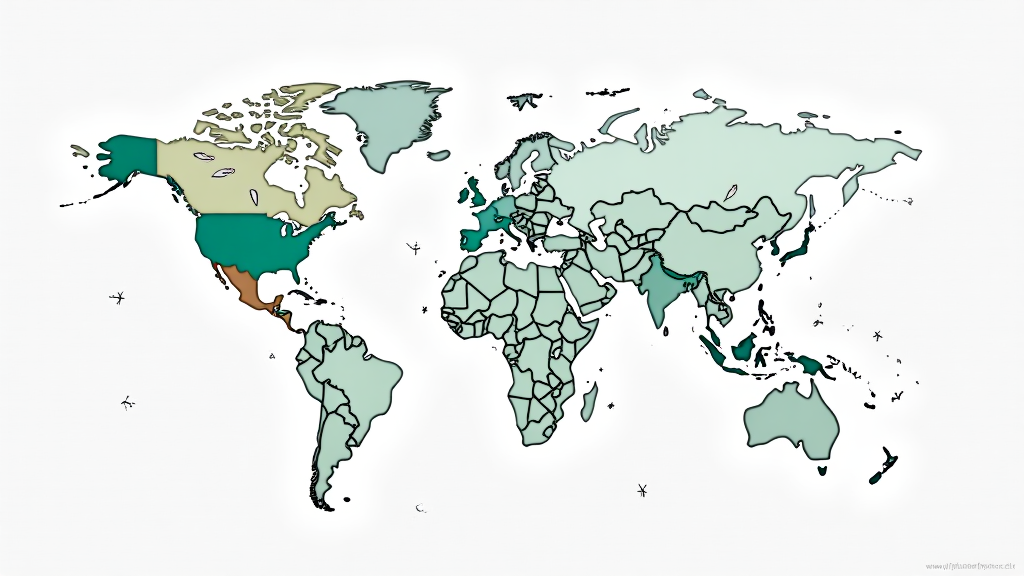
Regulatory approaches to stablecoins differ widely around the globe. Here’s a breakdown of how various jurisdictions are addressing the challenges:
United States
In the US, regulators like the Securities and Exchange Commission (SEC) and the Commodity Futures Trading Commission (CFTC) are beginning to provide guidance. The Stablecoin Transparency Act has been proposed to create a regulatory framework aimed at ensuring stablecoins are fully backed by reserves.
European Union
The EU has taken a proactive stance with the Markets in Crypto-Assets Regulation (MiCA), offering a comprehensive regulatory approach that includes stablecoins. This regulation emphasizes consumer protection and aims to create a level playing field across member states.
Asia-Pacific Region
In the Asia-Pacific, regulations are still in development. Japan is leading the way with its own stablecoin regulations, which prioritize consumer safety and operational transparency. Countries like Vietnam are also beginning to address regulatory standards to ensure the safe adoption of cryptocurrency innovations.
Stablecoins in Vietnam: A Growing Market
The Vietnamese market showcases unique challenges and opportunities for stablecoins. According to recent reports, 47% of Vietnamese internet users have explored cryptocurrency investments, with increasing interest in stablecoin options as a safe haven for volatility. However, the absence of a structured regulatory framework poses significant risks.
Regulatory Developments in Vietnam
Vietnam is actively exploring the incorporation of stablecoins, with regulators interested in understanding their implications for monetary policy. The State Bank of Vietnam is working on drafting regulations that may pave the way for legitimate stablecoin operations within the country. Nonetheless, clear guidelines are yet to be established.
Future Outlook for Stablecoin Regulations
As the market continues to develop, the future of stablecoin regulatory frameworks will likely be shaped by the following factors:
- Global cooperation: Regulators around the world must collaborate to create harmonized regulations that ensure stability and security while promoting innovation.
- Technological advancements: Innovations like central bank digital currencies (CBDCs) may significantly impact stablecoin dynamics and regulatory requirements.
- Public awareness: As consumers become more educated about cryptocurrencies, demand for rigorous regulations will grow, pressuring authorities to act.
Conclusion
Stablecoin regulatory frameworks are essential in promoting a secure and stable cryptocurrency environment. As countries adapt to the rapid evolution of the crypto market, collaboration and innovation will be key. In the words of industry experts, stablecoins represent the future of cryptocurrency transactions, provided there are robust frameworks ensuring safety and transparency.
Stay informed about the latest developments in stablecoin regulations and their implications for the industry by following cryptocoinnewstoday for up-to-date insights.
Author: Dr. Alice Nguyen, a cryptocurrency regulation expert with over 15 publications and leader in audits for multiple blockchain projects.