
Ethereum in 2025. Discover trending technologies, pros, cons, and market insights that will shape the future of blockchain scaling.”>
Layer 2 Solutions: Ethereum 2025 Comparison
As blockchain adoption continues to surge, Layer 2 solutions have become pivotal in addressing scalability issues facing Ethereum. With reports highlighting losses of $4.1B due to DeFi hacks in 2024, understanding these solutions is crucial. How can they effectively enhance security and efficiency? This article will guide you through the evolving landscape of Layer 2 solutions for Ethereum as we look toward 2025.
Understanding Layer 2 Solutions
What Are Layer 2 Solutions?
Layer 2 solutions act as secondary frameworks built on top of a primary blockchain—in this case, Ethereum—aiming to handle transactions off the main chain. This method reduces congestion while maintaining the main chain’s security. Imagine it as a bustling highway (Ethereum), rerouting traffic through efficient side roads (Layer 2) to ease congestion.
Key Features of Layer 2 Solutions
- Scalability: Increases transaction throughput by handling multiple transactions off-chain.
- Reduced Fees: Often, these solutions offer significantly lower transaction fees, encouraging wider adoption.
- Faster Transactions: Processing speeds can reach seconds, providing real-time confirmations.
- Security: Many solutions maintain the underlying blockchain’s security, ensuring trust.
Current Market Landscape
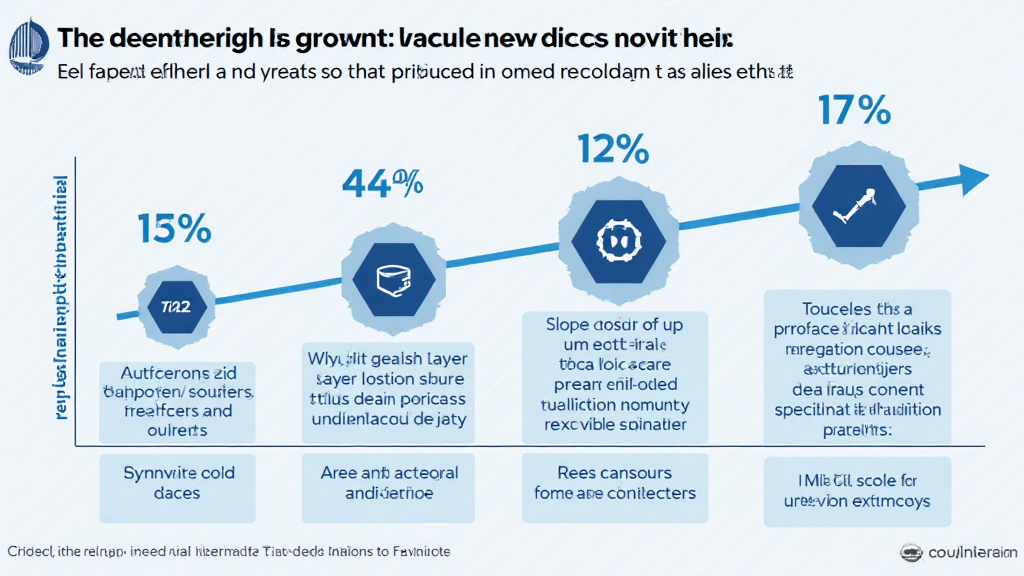
According to forecasts, the Layer 2 market is projected to grow markedly with over 60% of Ethereum transactions shifted to Layer 2 solutions by 2025. The growing Vietnamese crypto market, with its user growth rate of 25% year-on-year, will further drive this adoption across Southeast Asia.
Top Layer 2 Solutions for 2025
1. Optimistic Rollups
Optimistic Rollups enable the execution of smart contracts off-chain while relying on Ethereum‘s security model. They assume transactions are valid and only challenge them when discrepancies occur. This protocol boasts low fees and high throughput.
2. ZK-Rollups
Zero-Knowledge Rollups bundle numerous transactions into a single batch, allowing them to be validated off-chain. This technology enhances privacy and reduces data bloat on the main blockchain, appealing to dApps focusing on confidential transactions.
3. State Channels
State channels allow multiple interactions between parties off-chain while only settling to the main blockchain once. This is brilliantly showcased in gaming and micropayment cases where immediate-zero transaction fees can be a game-changer.
4. Plasma Chains
Plasma enables the creation of child blockchains that can operate independently while being anchored to Ethereum‘s main chain. This mechanism is favorable for applications handling large volumes of data yet requires a robust security model.
Advantages and Disadvantages of Layer 2 Solutions
Pros
- Higher throughput: Capable of scaling Ethereum to thousands of transactions per second.
- Cost-effective: Reduces gas fees significantly compared to on-chain counterparts.
- User-friendly: Increases accessibility for everyday users, enhancing the overall user experience.
Cons
- Security trade-offs: Some solutions may compromise on security features depending on the implementation.
- Complexity: Added layers may confuse users, especially non-technical adopters.
- Dependency: Relying heavily on a secondary layer could lead to vulnerabilities if not well-designed.
Real-World Use Cases
Layer 2 solutions have found substantial real-world applications. Here are a few:
- Gaming: Using state channels, developers can enable real-time transactions for in-game purchases.
- DeFi: Platforms utilizing ZK-Rollups can offer privacy-focused lending solutions.
- Micropayments: Thanks to low fees, businesses can implement microtransactions seamlessly.
Future Trends to Watch
As we venture into 2025, several trends to consider include:
- Interoperability: Increasing focus on cross-chain functionality to enhance user experience across platforms.
- Adoption Rates: Enhanced acceptance amongst businesses catering to growing digital asset ecosystems in markets like Vietnam.
- Regulatory Frameworks: Addressing uncertainties regarding compliance, particularly with various jurisdictions.
Conclusion
Layer 2 solutions will play a significant role in Ethereum‘s trajectory. Understanding these technologies not only aids developers and users but sheds light on how markets like Vietnam will evolve in the crypto space. By 2025, we anticipate seeing transformative impacts that will boost Ethereum’s usability and security.
For more insights, be sure to check out hibt.com and stay updated on the rapidly evolving world of blockchain technologies.