
Introduction
In today’s digital landscape, the cryptocurrency market is burgeoning, particularly in Vietnam, where user adoption is soaring. Interestingly, Vietnam holds a notable place in the crypto realm, recording approximately 8.5 million cryptocurrency users in 2023, which demonstrates a growth rate of over 230% compared to previous years.
However, with this rapid rise in digital asset ownership comes a pressing concern: security. As we have seen, cyber threats have led to losses exceeding $4.1 billion due to DeFi hacks and wallet breaches in recent times. This guide emphasizes the importance of securing your cryptocurrency wallet by delving into various critical aspects of security, ranging from user best practices to technological solutions.
Understanding Wallet Types
Before we dive into the core of wallet security, it’s essential to understand the different types of cryptocurrency wallets.
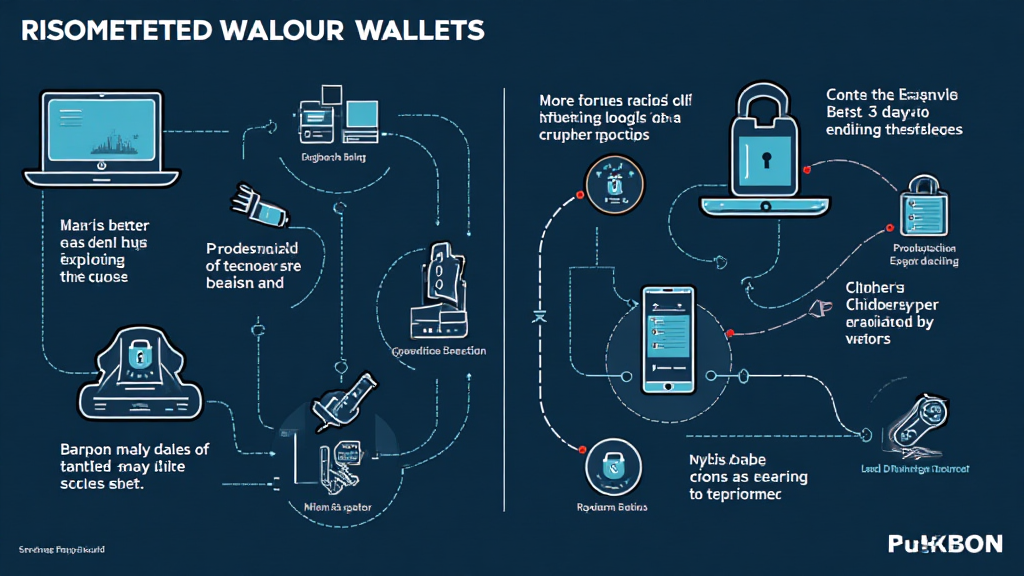
- Hot Wallets: These are online wallets connected to the internet, making them convenient yet vulnerable to online threats.
- Cold Wallets: These wallets are offline and provide an extra layer of security. Hardware wallets like Ledger Nano X significantly reduce the risk of hacks.
- Paper Wallets: A physical copy of your public and private keys. They are immune to online threats but can be lost or damaged.
As users in Vietnam explore these options, it is crucial to recognize how each type has different security implications. For instance, while a hot wallet facilitates quick transactions, it should ideally hold only a minimal amount of cryptocurrency for day-to-day use.
Best Practices for Wallet Security
Anyone owning cryptocurrency in Vietnam should incorporate best practices to enhance wallet security. Here’s what you need to know:
- Use Strong Passwords: Create complex passwords comprising a mix of letters, numbers, and symbols. Avoid using easy-to-guess information.
- Enable Two-Factor Authentication (2FA): This adds an additional layer of security by requiring a second form of verification.
- Regularly Update Software: Ensure that your wallet software is up-to-date to protect against vulnerabilities.
- Backup Your Wallet: Regular backups ensure you have access to your assets in case of device failure or loss.
- Be Wary of Phishing Attacks: Always verify URLs and never click links in unsolicited messages, as they may lead to scams.
Like a bank vault for digital assets, adhering to these guidelines can substantially reduce the risks inherent in cryptocurrency ownership.
The Role of Technology in Security
Technology plays a pivotal role in enhancing cryptocurrency wallet security. Here are a few technological solutions:
- Multi-Signature Wallets: These wallets require multiple keys to authorize a transaction, adding an extra layer of safety.
- Hardware Wallets: As previously mentioned, wallets like the Ledger and Trezor, significantly mitigate risks associated with hacking.
- DApps and Smart Contracts: Understanding how to audit smart contracts can ensure that transactions maintain integrity and security.
Implementing advanced technological options can create a robust defense against potential threats. For instance, using multi-signature wallets can minimize the chances of loss if a key is compromised.
Real-World Data on Wallet Security
To provide context, let’s examine some statistics on wallet security and crypto-related crimes:
| Year | Amount Lost in Hacks (USD) | Number of Breaches |
|---|---|---|
| 2020 | $1.9B | 10 |
| 2021 | $3.5B | 15 |
| 2022 | $4.1B | 20 |
According to various reports, the trend is alarming, emphasizing the need for stringent security measures.
Local Insights and Cultural Considerations
When discussing tiêu chuẩn an ninh blockchain, it is essential to consider cultural attitudes towards technology in Vietnam. Here are a few aspects to note:
- The younger generation is more tech-savvy and open to adopting new technologies, enhancing overall crypto security awareness.
- Social media plays a crucial role in disseminating security knowledge, as many users rely on platforms to share tips and experiences.
Understanding the local landscape not only helps in drafting better security strategies but also encourages community-driven solutions.
Conclusion
In conclusion, the security of cryptocurrency wallets in Vietnam is of utmost importance as the user base continues to grow. By adhering to best practices, leveraging technology, and being informed about local conditions, crypto users can significantly fortify their digital asset protection measures. Through this guide, we aim to empower individuals and encourage a safer cryptocurrency experience.
To stay updated on security standards and practices, consider visiting hibt.com, where you can find additional insights on cryptocurrencies and wallet security.
As always, this article is not financial advice. Consult local regulations as needed.
For further reading, check out our Vietnam crypto tax guide and ensure you stay informed about the rapidly evolving landscape.
Author: Dr. Thien Nguyen, a leading expert in blockchain security with over 25 published papers and experience in auditing numerous high-profile projects.