
Introduction: A Growing Need for Effective Staking Strategies
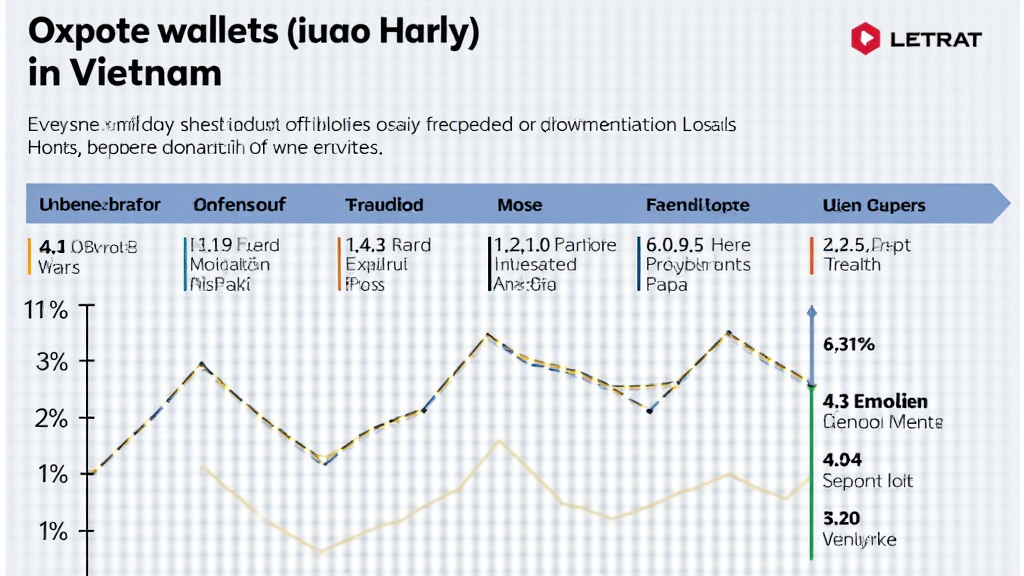
With the rise of decentralized finance (DeFi) and blockchain technologies, the crypto market is evolving at an unprecedented pace. In 2024 alone, the industry saw over $4.1 billion lost in hacks and vulnerabilities, highlighting the need for robust security and staking practices in navigating this burgeoning landscape. In this context, restaking crypto strategies are becoming increasingly important for investors looking for new ways to optimize their returns while maintaining security.
This article aims to provide a comprehensive overview of restaking strategies, examining their benefits, risks, and practical implementation within the ever-changing cryptocurrency market. Using data-driven insights and case studies, we’ll explore how restaking can offer increased yields and enhanced security for your digital assets.
Understanding Restaking: A Primer
Restaking, in essence, refers to the practice of taking staking rewards and reinvesting them back into the staking process. This strategy allows investors to compound their returns over time, leading to potentially higher yields. Just like a bank vault protects your physical assets, restaking acts as a secure mechanism for growing your digital wealth.

Why Restaking Matters
Types of Restaking Crypto Strategies
Before diving deeper, it’s essential to categorize the different restaking strategies available in the market today. These include:
1. Traditional Restaking
In this strategy, investors take their staking rewards and reinvest them back into the same protocol. For example, if you’re staking Ethereum, the rewards earned can be restaked to earn additional rewards, thus compounding your returns.
2. Cross-Protocol Restaking
This involves moving staked rewards to different protocols to take advantage of yield farming opportunities or enhanced rewards. For instance, users can stake their rewards in an emerging DeFi project promising higher yields.
3. Liquid Staking
Some platforms offer liquid staking allows you to stake without locking up your assets for extended periods. This means you can access your funds while still earning staking rewards, which can then be used for restaking in other protocols.
Real-World Examples of Restaking Success
To illustrate the power of restaking strategies, let’s look at a few case studies that have showcased significant success by employing this method:
Example 1: Yearn Finance
Yearn Finance offers yield optimization services, allowing users to deposit their assets with the platform. The main innovation is automatically shifting funds to the most lucrative yield farming opportunities, including restaking strategies.
Example 2: Lido Finance
Lido enables users to stake assets, providing liquidity in return for staked assets via a staked derivative token. Users can further restake these derivatives into yield farming pools, significantly enhancing user returns.
Implementing Restaking in Viet Nam’s Growing Crypto Market
Vietnam’s crypto market has seen an astonishing growth rate over the past few years, with a remarkable uptick in user participation and investment. As of 2023, Vietnam’s crypto user base has grown by over 200%, making it one of the fastest-growing regions for cryptocurrency adoption.
This growth presents an excellent opportunity for Vietnamese investors to implement restaking strategies in their portfolios:
Risks of Restaking Strategies
While restaking offers numerous advantages, it’s essential to be aware of the associated risks:
Final Thoughts: The Future of Restaking in Crypto
The landscape of digital assets is rapidly evolving, and restaking strategies are at the forefront of maximizing returns and improving asset security. As we delve deeper into blockchain technology and its applications, embracing restaking strategies will likely become an integral part of an investor’s toolkit.
As a Vietnamese investor, now is the ideal time to explore these strategies and leverage the growing DeFi opportunities. Remember, always consult local regulations before implementing any investment strategy. Stay informed and engaged with the latest trends to ensure your crypto journey is secure and profitable.