
Introduction: The Future of Remittance in Vietnam
Remittance plays a vital role in Vietnam’s economy, contributing around $18 billion in 2022. However, with digital innovations leading the way, questions arise: can blockchain truly revolutionize remittance in Vietnam? As the demand for simpler, faster, and more secure transfer methods rises, Vietnam is seeing increasing interest in blockchain remittance solutions.
Understanding Blockchain and Its Business Model
Blockchain technology, essentially a decentralized ledger, removes intermediaries in transactions. This presents a stark contrast to traditional systems where banks control transfers. With blockchain, users can send and receive money directly, significantly reducing costs.
- Decentralization: Eliminating middlemen reduces fees and transaction times.
- Transparency: Every transaction is traceable, enhancing security and trust.
- Speed: Remittances can occur in real-time instead of taking days.
The Current Remittance Landscape in Vietnam
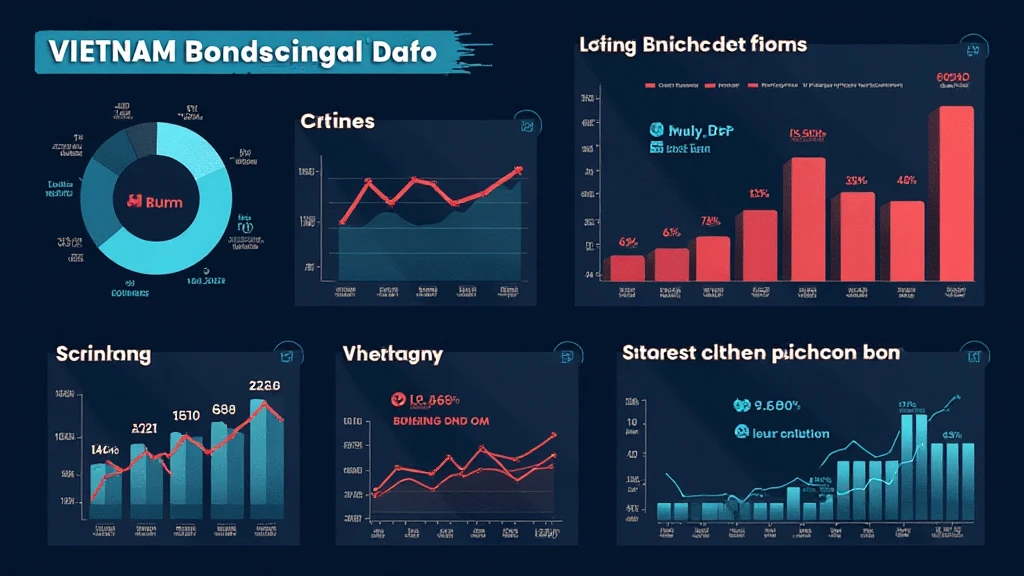
As of 2022, Vietnam’s remittance transaction costs averaged around 6.5% of the amount sent, significantly higher than the World Bank’s target of 3%. Many families depend on remittances for daily expenses, health care, and education.

Given the 3.5 million Vietnamese citizens living abroad, the potential for blockchain remittance solutions is immense.
Potential Benefits of Blockchain Remittance
- Lower Transaction Fees: With traditional systems charging excessive fees, blockchain could lower costs to under 1%.
- Increased Security: Blockchain’s immutability and encryption enhance transaction security.
- Financial Inclusion: Many unbanked individuals might access money transfer services for the first time.
Challenges on the Horizon
Despite the promising outlook, challenges remain:
- Regulatory Concerns: Understanding local laws about cryptocurrency and exchanges is crucial.
- Technological Literacy: For broader adoption, users need education about blockchain technology.
- Volatility: Cryptocurrency value fluctuations could impact transaction amounts.
Successful Case Studies and Implementations
Multiple startups are already paving the way for blockchain remittance solutions in Vietnam:
- SendFriend: This platform emphasizes low-cost transfers that leverage the blockchain.
- MoneyGram: Their pilot with Ripple aims to enhance remittance processing.
These examples illustrate the substantial opportunities lying ahead in the Vietnamese remittance landscape.
Conclusion: A Promising Future for Vietnam Blockchain Remittance
With the confluence of technological advancements, increased smartphone usage (over 95% penetration by 2024), and government support, Vietnam’s blockchain remittance sector is set for a brighter future. Users can expect decreasing fees, improved security, and faster transactions. The integration of blockchain into remittance solutions could catalyze financial inclusion and economic development.
As we transition into this digital age, the collaboration of tech companies, regulators, and users will determine the successful adoption and implementation of these innovative solutions. As Vietnam continues to foster innovation in the blockchain space, it paves the way for more secure and efficient remittance methods.
In summary, the future of Vietnam blockchain remittance looks promising. As you consider transferring money back home, exploring blockchain options could greatly improve your experience and save you significant money.
Author: Dr. Nguyen Thanh, a blockchain expert with over ten years of experience in the industry, has authored over 20 research papers and led several notable projects in blockchain security. His work continues to impact the field positively.