

Exploring MiCA Regulation Impact in Southeast Asia
As the global cryptocurrency landscape continues to evolve, regulatory frameworks are emerging to provide guidance and control. One of the significant regulations introduced is the Markets in Crypto-Assets (MiCA) regulation proposed by the European Union. But what is the potential impact of this regulation specifically on Southeast Asia? With a growing digital asset economy and an increasing number of users in countries such as Vietnam, understanding this relationship is crucial for industry participants.
According to recent reports, Southeast Asia is experiencing a significant rise in cryptocurrency adoption, with the number of cryptocurrency users increasing by 60% in Vietnam alone from 2021 to 2023. However, with this growth comes the need for robust regulations that not only protects users but also promotes innovation in the technology behind these digital assets.
What is MiCA Regulation?
The Markets in Crypto-Assets (MiCA) regulation is a comprehensive framework introduced by the EU to regulate crypto-assets and their service providers. It aims to ensure a high level of consumer protection while fostering innovation in the financial technology sector. MiCA will set out clear rules for parties involved in crypto transactions, including issuers, exchanges, and wallet providers.
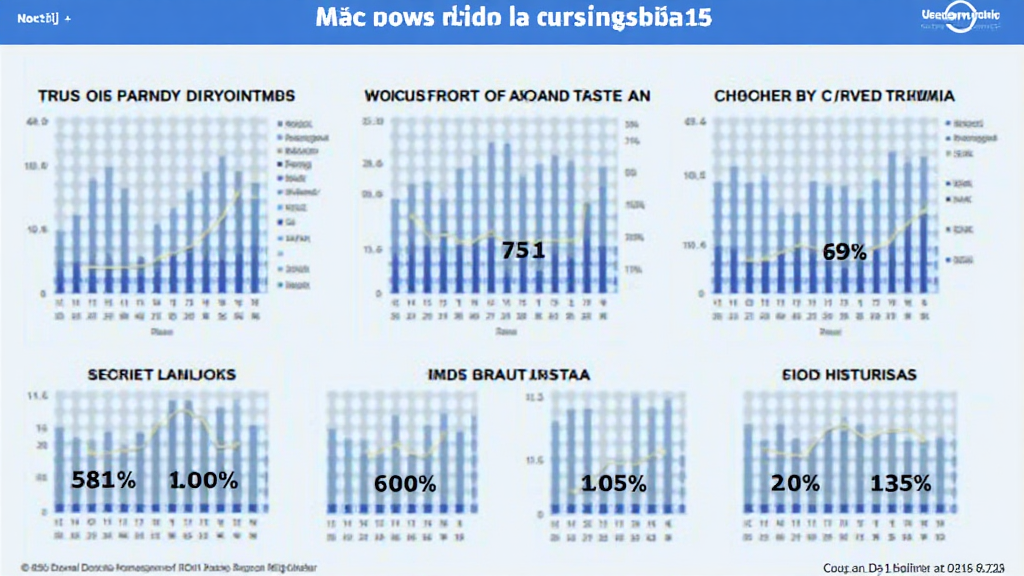
Notably, MiCA focuses on several key areas:
- Licensing requirements for crypto service providers
- Transparency obligations for asset issuers
- Consumer protection measures
- Close monitoring of stablecoins
The Current State of Cryptocurrency in Southeast Asia
Southeast Asia is rapidly becoming a hub for cryptocurrency activity. Countries like Vietnam, Indonesia, and the Philippines are leading the charge, driven by young, tech-savvy populations and increasing internet accessibility. For example, the percentage of Vietnamese internet users involved in cryptocurrency trading has soared to an incredible 34% in 2023.
This region has unique characteristics that differentiate it from the rest of the world:
- High mobile penetration rates
- A growing interest in decentralized finance (DeFi)
- Emerging digital payment solutions
How MiCA Can Shape the Regulatory Landscape in Southeast Asia
While MiCA is an EU regulation, its impact could resonate in Asia, particularly in Vietnam and beyond. Here’s the catch: as countries in the Southeast Asian region observe the unfolding of MiCA, they may adopt similar regulatory practices or even take cues from it to create their own frameworks.
1. Enhanced Consumer Protection Standards
One of the primary purposes of MiCA is to establish stronger consumer protection measures. Southeast Asian countries could look to implement similar standards, ensuring that investors are adequately informed and protected from significant risks associated with cryptocurrency investments.
2. Market Stability Through Regulation
The establishment of clear regulations, akin to those proposed in MiCA, can also lead to enhanced market stability. By preventing fraud and ensuring transparency, markets become more attractive to both local and foreign investors. This could lead to increased adoption of cryptocurrencies in Southeast Asia.
3. Growth of Legal Crypto Businesses
The licensing requirements laid out in MiCA may inspire Southeast Asian governments to formalize their stance on cryptocurrency businesses. This formalization could create a vibrant ecosystem of legal crypto ventures, further accelerating the growth of the digital economy.
Challenges and Opportunities Ahead
Despite the promising prospects, the introduction of the MiCA regulation will not be without challenges. Adaptation to these regulatory frameworks may face resistance from regions accustomed to a less regulated environment. Furthermore, there is a risk that stringent regulations fail to align with local market dynamics.
However, opportunities abound for those willing to embrace change:
- Increased collaboration between regulatory bodies and industry stakeholders
- Investment in education and awareness programs about crypto regulations
- Innovation in compliance solutions for crypto businesses
What Can Crypto Investors Do?
It’s time for investors and crypto enthusiasts in Southeast Asia to be proactive. Understanding the implications of the MiCA regulation can offer insights into future market movements.
Consider these strategies to navigate this regulatory landscape:
- Stay informed about regulatory updates in your region
- Engage in compliance education to understand your rights and responsibilities
- Explore investment opportunities in compliant crypto businesses
Conclusion
The impact of MiCA regulation on Southeast Asia could propel the region towards a more secure and dynamic cryptocurrency environment. While challenges exist, the potential for better consumer protection and market stability presents numerous opportunities for growth and innovation. As the regulation unfolds, all eyes should be on how Southeast Asian nations respond and adapt – a defining moment in the crypto narrative.
With countries like Vietnam likely to take cues from these developments, we can expect significant momentum in the region‘s crypto landscape in the coming years.
For further insights on this evolving topic and others like it, keep following cryptocoinnewstoday.