

Mastering Blockchain Consensus Algorithms: A Comprehensive Guide
With an estimated $4.1 billion lost to DeFi hacks in 2024, the strength of blockchain consensus algorithms is now more critical than ever. In a world where digital assets are gaining traction, understanding how these algorithms ensure security is paramount for users and developers alike. This article offers an in-depth exploration of the various consensus mechanisms, their vulnerabilities, and their significance in protecting assets in an evolving landscape.
Understanding Blockchain Consensus Algorithms
At its core, blockchain consensus algorithms are protocols that consider a state of agreement among distributed networks. Think of it as a group of friends deciding on a place to meet for dinner; they need to come to a consensus, just as nodes in a blockchain network must agree on transaction validity. Without this agreement, the network could be vulnerable to attacks, hacks, and false transactions.
The Importance of Consensus Mechanisms
- Ensure data integrity
- Prevent double-spending
- Keep the blockchain decentralized
In Vietnam, where cryptocurrency adoption has seen an impressive growth rate of 33% over the past year, understanding these mechanisms is vital for local users.
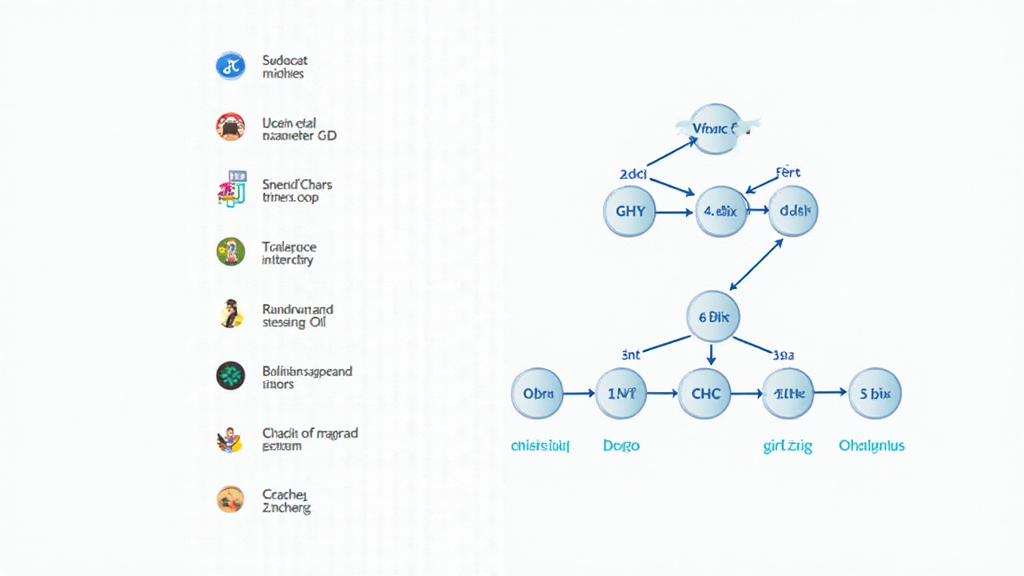
Types of Consensus Algorithms
There are several blockchain consensus algorithms, each with its unique approach to achieving consensus. Let’s break down the most prominent types:
Proof of Work (PoW)
Popularized by Bitcoin, the Proof of Work consensus requires miners to solve complex mathematical problems to validate transactions. Although secure, the environmental impact and high energy consumption have led to criticism. In Vietnam, this is an important factor as the country pushes for greener initiatives.
Proof of Stake (PoS)
Proof of Stake allows validators to create new blocks based on the number of coins they hold. This method is energy-efficient compared to PoW and has been adopted by many new blockchain projects. However, it raises concerns about wealth concentration, especially in emerging markets like Vietnam.
Delegated Proof of Stake (DPoS)
In the DPoS model, stakeholders elect delegates to validate transactions and generate new blocks. This approach enhances scalability but can lead to potential centralization if only a few delegates dominate.
Consensus Mechanism Vulnerabilities
Every consensus algorithm has its vulnerabilities. Here are a few common pitfalls:
- 51% Attack: If a single entity gains control of over 50% of the hashing power, they can manipulate transactions.
- Sybil Attack: This involves creating multiple fake identities to gain control and disrupt consensus.
- Nothing at Stake: In PoS, it’s inexpensive for malicious actors to create multiple competing chains, potentially leading to forks.
Real-World Examples of Blockchain Consensus Algorithms
Real-world applications of consensus algorithms highlight their strengths and weaknesses:
Bitcoin (PoW)
Bitcoin remains the most recognized use of PoW. Its security and decentralization make it a benchmark for blockchain technology. However, the electricity consumption involved is under scrutiny.
Ethereum 2.0 (PoS)
With Ethereum transitioning to PoS, the blockchain aims for enhanced scalability without compromising security. This change could significantly reduce its environmental footprint.
EOS (DPoS)
EOS employs DPoS for its fast transaction speeds and flexibility. However, concerns about delegate centralization persist, urging a conversation about governance in decentralized environments.
Future of Consensus Algorithms in 2025 and Beyond
The landscape of digital assets is rapidly changing, shaping how we perceive security and consensus.
- Hybrid Models: The future may see a blend of different algorithms seeking to balance security and efficiency.
- Scalability Solutions: Solutions like sharding and layer two protocols will become more prominent to handle increasing transaction volumes.
- Environmental Considerations: The rise in regulatory pressures around energy consumption may force a shift towards greener alternatives.
Conclusion: The Role of Blockchain Consensus Algorithms in Asset Protection
The mechanisms behind blockchain consensus are vital for robust digital asset protection. Knowledge of these algorithms enables users to make informed decisions about the platforms they engage with. As the Vietnamese market continues to flourish, understanding how these algorithms secure transactions is essential for new and seasoned investors alike.
In summary, exploring blockchain consensus algorithms equips you with the knowledge to navigate the complex crypto landscape responsibly and securely. Be it PoW, PoS, or DPoS, each mechanism has unique features that help fortify your digital investments.
 cryptocoinnewstoday.