
How to Report Crypto on Taxes Vietnam Guide
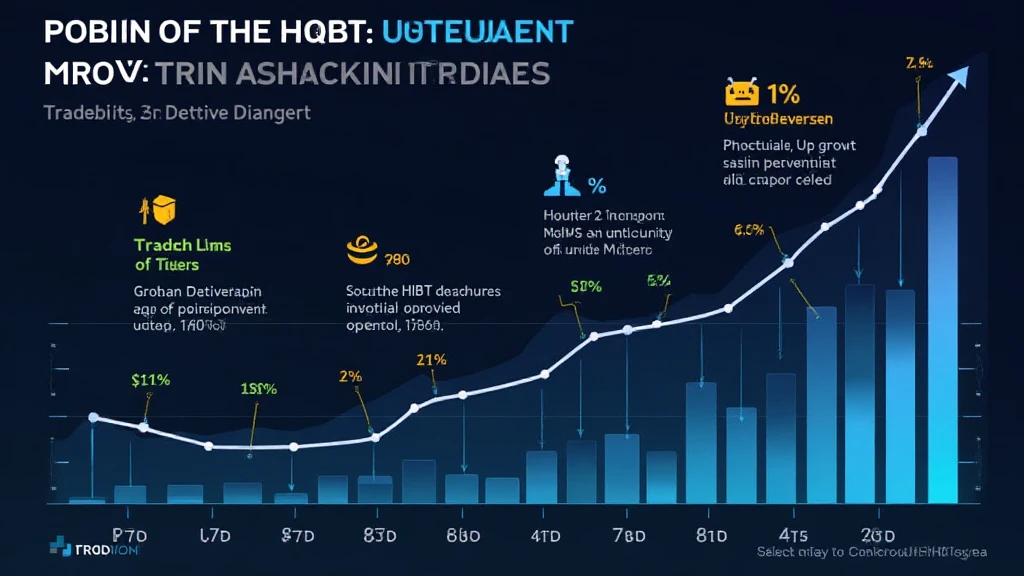
With the rise in cryptocurrency ownership and investment in Vietnam, understanding the tax implications has never been more crucial. In 2022, Vietnam saw a 55% increase in cryptocurrency users, translating to approximately 5 million active traders. As the popularity of digital assets continues to soar, so too does the need for clear guidance on how to report these assets for tax purposes. This guide delves into the intricacies of reporting cryptocurrency on taxes in Vietnam, ensuring that you’re well-equipped to meet your obligations.
Understanding Cryptocurrency Taxation in Vietnam
Cryptocurrency is regarded as a reportable asset in Vietnam, and the nation follows specific guidelines for taxation. As per the Law on Tax Administration and the Law on Personal Income Tax, any gain from trading cryptocurrencies is taxable. This establishment means that if you sell your crypto at a profit, you are liable to pay taxes on that profit. Furthermore, a significant point to note is the lack of a unified cryptocurrency regulation in Vietnam, which can make navigation a bit more challenging. According to recent reports, around 70% of crypto transactions in Vietnam occur without adhering to tax regulations.
Who Needs to Report Cryptocurrency?
- Individuals who trade cryptocurrencies for profit.
- Investors who have gained from holding cryptocurrencies.
- Businesses accepting cryptocurrency as payment for goods or services.
It’s essential for both casual and professional traders to stay informed and compliant to avoid penalties. Regulatory compliance is an increasingly important issue, especially for users engaging in significant transactions.
Calculating Taxable Income on Cryptocurrency
In Vietnam, the taxable income from cryptocurrency is generally calculated based on the difference between the buying price and the selling price. Let’s break it down with an example:
- You purchased 1 Bitcoin (BTC) for 400 million VND.
- You sell the Bitcoin (BTC) for 600 million VND.
- Your taxable gain would be: 600 million VND – 400 million VND = 200 million VND.
The specific tax rate applied may vary depending on personal income brackets, and it’s essential to keep detailed transactions records.
Steps to Report Cryptocurrency on Taxes in Vietnam
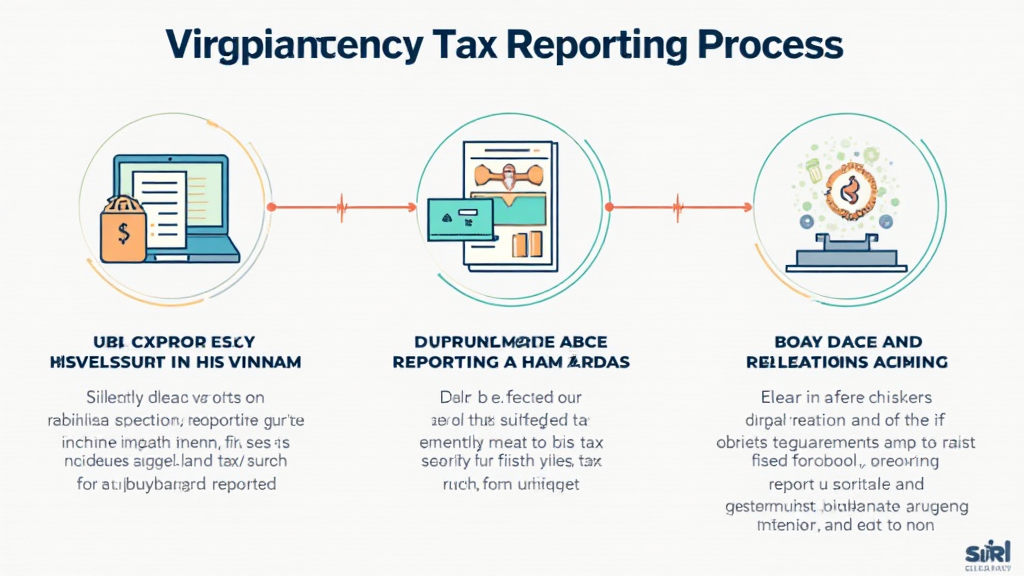
Here’s a concise step-by-step guide to assist you in reporting your cryptocurrency taxes:
- Keep Accurate Records: Maintain detailed logs of your trades, including dates, amounts, and transaction types.
- Determine Your Taxable Income: Calculate gains or losses for each trade made.
- Complete the Tax Return: Fill out the appropriate tax forms according to Vietnamese tax regulations.
- Submit on Time: Ensure you submit your tax report by the required deadline.
Using Technology in Reporting
Tech-savvy traders may benefit from using software that tracks crypto transactions and calculates results automatically. Tools like CoinTracking and CryptoTrader.Tax can ease the burden of manual calculations.
Avoiding Common Mistakes
Even seasoned traders may inadvertently make mistakes when reporting their cryptocurrency trades. Here are some common pitfalls:
- Not documenting transactions accurately.
- Failing to differentiate between short-term and long-term capital gains.
- Neglecting to include all taxable transactions.
By being vigilant and organized, you can avert these mistakes.
Future Tax Regulations in Vietnam
As cryptocurrency continues to gain traction, it is likely that the Vietnamese government will refine its approach to regulating and taxing digital assets. In discussions around the New Digital Asset Law, efforts to create a more structured regulatory environment are underway. These developments may significantly affect how taxes are computed and reported, so stay updated with local news and regulations. Furthermore, a 2025 projection indicates that the Vietnamese crypto market could surpass $10 billion, reinforcing the need for compliant reporting.
Conclusion
In conclusion, navigating the landscape of cryptocurrency reporting on taxes in Vietnam may seem daunting, but with the right information and tools, compliance can be achieved. Remember to keep accurate records, calculate your taxable gains accurately, and stay informed about current and future regulations. As the climate around digital asset investment evolves, being proactive about your tax obligations will ensure a more secure financial future. For more detailed inquiries or specific guidance, please consult local regulators or financial advisors.
For further resources, check out our detailed Vietnam crypto tax guide at Hibt.com.
Author: Dr. An Nguyen, a specialist in financial regulations, has published over 20 papers on cryptocurrency and blockchain compliance and has been instrumental in auditing several high-profile projects.