
Introduction
As of 2023, the global cryptocurrency market cap exceeds $1.1 trillion, showing the rapid growth and transformation in the world of digital assets. With $4.1 billion lost to DeFi hacks in 2024 alone, understanding crypto market cap historical data is more important than ever for investors and enthusiasts alike. This article delves into the nuances of market capitalization, historical trends, and their implications for future investments.
What is Crypto Market Cap?
Market capitalization, often referred to as market cap, is a key metric used to assess the value of a cryptocurrency. It is calculated by multiplying the current price of a cryptocurrency by the total circulating supply. For instance, if Bitcoin (BTC) is priced at $30,000 and there are 18 million BTC in circulation, the market cap would be:
- $30,000 x 18,000,000 = $540 billion
This figure provides a snapshot of the cryptocurrency’s relative size within the crypto ecosystem. While Bitcoin leads the pack with a market cap that often surpasses $500 billion, many altcoins are making their mark as well.
Historical Trends in Crypto Market Capitalization
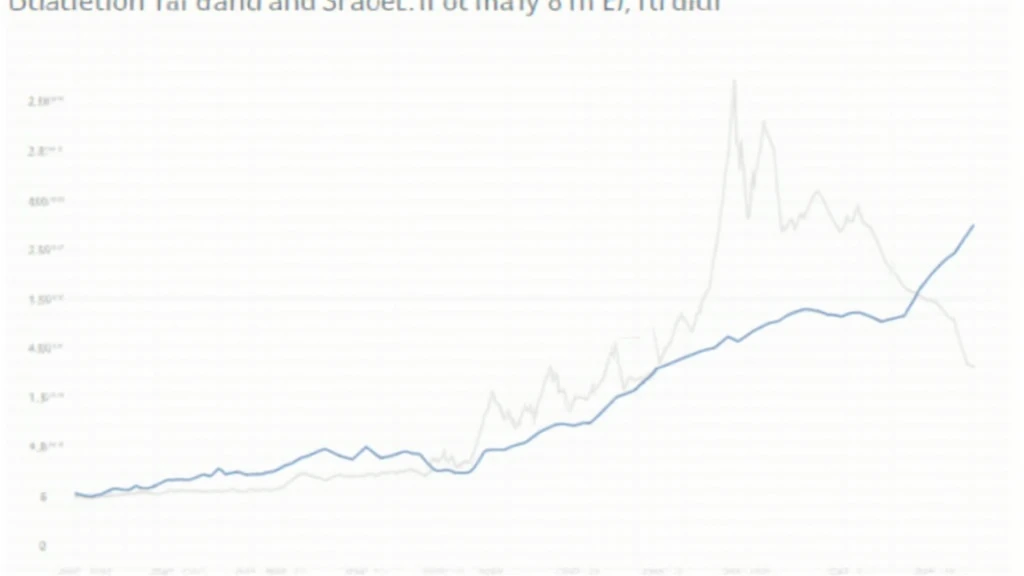
The historical data of crypto market cap reveals trends that have shaped the industry.
Let’s break it down into key periods:
1. Pre-Bull Market (2017)
Before the explosive growth in 2017, the total market cap of cryptocurrencies hovered around $15 billion. Investors were largely unaware of the potential that blockchain technology held. The launch of several significant altcoins, such as Ethereum and Ripple, began to attract attention.
2. The Bull Market of 2017-2018
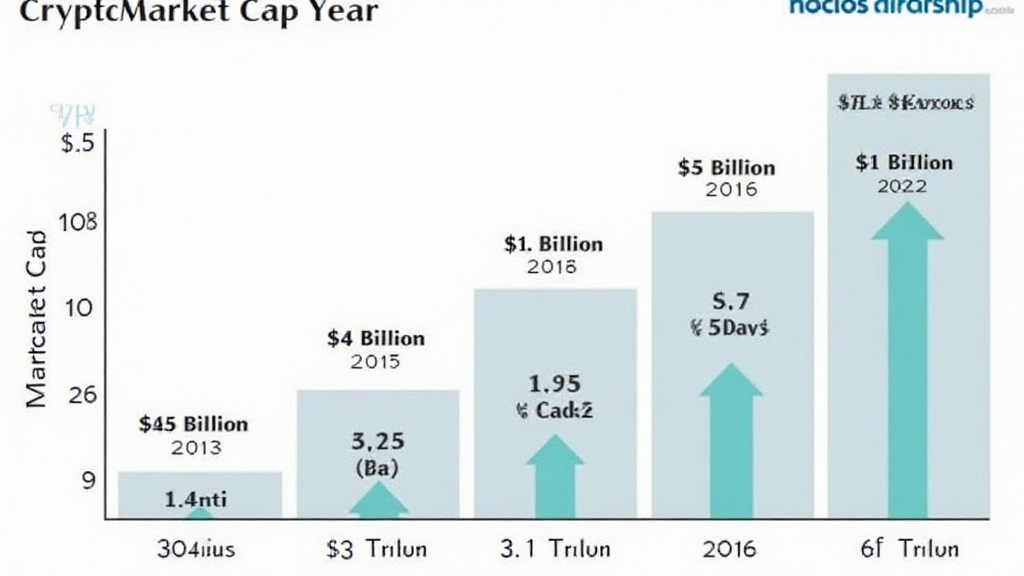
During 2017, cryptocurrency market cap skyrocketed to around $800 billion. This period was characterized by high speculation and massive media coverage. The increase in Bitcoin‘s price, reaching nearly $20,000, drove many new investors into the market. Here’s a quick visual representation:
| Year | Market Cap (USD) |
|---|---|
| 2017 | $800 billion |
| 2018 | $100 billion |
As the market corrected itself in 2018, many investors experienced significant losses, leading to a deeper understanding that volatility is inherent in crypto investments.
3. Recovery and Growth (2019-2020)
Following the market correction, the total crypto market cap recovered slowly but steadily. By the end of 2020, driven largely by institutional interest, the market cap surged past $800 billion again, setting the stage for further growth in 2021.
Factors Influencing Crypto Market Cap
Several factors can influence a cryptocurrency’s market cap:
- Supply and Demand: A limited supply, like Bitcoin‘s 21 million cap, drives demand and price.
- Market Sentiment: News cycles, regulations, and technological innovations can significantly sway investor sentiment.
- Adoption Rates: Increased usage in applications and real-world transactions boosts value.
In Vietnam, for instance, the number of crypto users has seen a remarkable growth rate of over 40% year-on-year, signaling a robust interest in the crypto space.
Cryptocurrency Market Cap Projections for the Future
What does the future hold? Experts predict by 2025, the total crypto market cap could reach upwards of $5 trillion, driven by increased blockchain adoption and investment diversification.
Insights into Future Investments
Adopting a proactive investment strategy means understanding the potential of various cryptocurrencies. For example, 2025’s most promising altcoins could emerge as major players, reshaping the market landscape.
How to Analyze Historical Market Caps
Analyzing historical data involves looking at:
- Longitudinal Studies: Tracking performance across longer time frames helps gauge stability.
- Comparison Charts: Visual data representation facilitates easier understanding of trends.
Tools and Resources for Tracking Market Cap Data
Various platforms provide real-time crypto market cap data and historical insights. Here are some recommended tools:
- CoinMarketCap: Offers comprehensive data on thousands of cryptocurrencies.
- CoinGecko: Allows for detailed analysis across various metrics.
- Traditional stock market APIs and databases can also be employed to bring a historical context in comparisons.
As we dive deeper into the next decade, the role of innovation and blockchain technology will continue to grow, reshaping how we perceive and invest in digital assets.
Conclusion
Understanding crypto market cap historical data offers pivotal insights into the ever-evolving cryptocurrency landscape. From its humble beginnings to the current multi-trillion dollar arena, recognizing the factors that drive market cap will pave the way for innovative investment strategies. Remember that investing in cryptocurrency involves risks, so always consult with local regulations. By staying informed and utilizing historical data, investors can better equip themselves to navigate the dynamic world of digital assets.
For further insights and trends related to cryptocurrency investments, be sure to stay tuned to cryptocoinnewstoday.
Author: Dr. Peter Chang
A crypto analyst and thought leader in blockchain technology, Dr. Chang has published over 25 papers in top-tier journals and led audits for several high-profile crypto projects.