
Introduction
In recent years, the rise of decentralized finance, commonly referred to as DeFi, has revolutionized how individuals interact with financial services. Web3 Deposit Platforms have emerged as a cornerstone of this new ecosystem. With an estimated market value projected to exceed 300 billion USD by 2025, understanding the implications and practical applications of these platforms is essential for users looking to optimize their crypto investments.
What is a Web3 Deposit Platform?
A Web3 Deposit Platform serves as a decentralized application (dApp) that facilitates various financial transactions without the need for traditional banking intermediaries. Here’s what sets them apart:
- Decentralization: Unlike traditional platforms, they utilize blockchain technology to provide greater transparency.
- Security: Smart contracts automate transactions, reducing fraudulent activities.
- Accessibility: Users can deposit funds anytime, anywhere, simply with a cryptocurrency wallet.
For example, platforms like Aave and Compound allow users to earn interest on their deposits, making crypto management more efficient. But is a Web3 Deposit Platform the right choice for you? Let’s break it down further.
Benefits of Using a Web3 Deposit Platform
Adopting a Web3 Deposit Platform can significantly enhance your cryptocurrency experience. Here are some key benefits:
- Higher Yields: Users often receive better interest rates compared to traditional banks due to the lack of intermediaries.
- Enhanced Privacy: Transactions can remain pseudonymous, allowing users to maintain their privacy.
- Simplified Transactions: Automation through smart contracts ensures quick and efficient transaction processing.
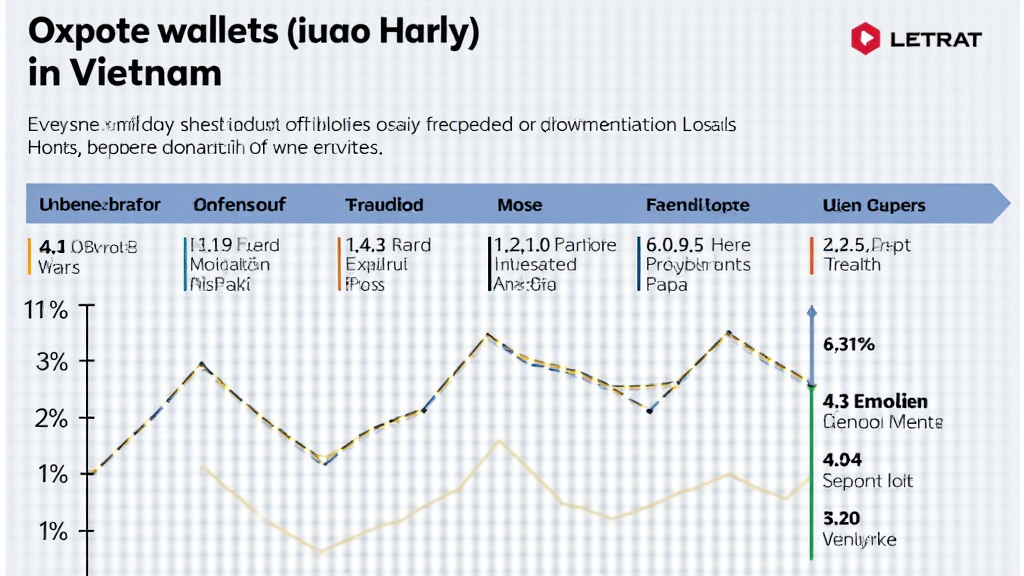
In Vietnam, for example, platforms like Kyber Network are gaining traction, allowing users to deposit and exchange crypto seamlessly. A recent survey indicated that 62% of crypto users in Vietnam prefer using decentralized platforms for their savings, showcasing a growing trend.
A Comparative Look at Traditional vs. Web3 Deposit Platforms
| Feature | Traditional Platforms | Web3 Deposit Platforms |
|---|---|---|
| Interest Rates | ~0.05% – 1% | ~5% – 20% |
| Transaction Fees | High | Low to None |
| Accessibility | Time-sensitive (bank hours) | 24/7 |
| Regulatory Compliance | High | Varies by jurisdiction |
This table emphasizes the stark differences between traditional banking options and Web3 Deposit Platforms, reinforcing the latter’s appeal to today’s users.
How Do Web3 Deposit Platforms Work?
Understanding the mechanics behind these platforms is essential for any potential user. Here’s a simplified breakdown of their functioning:
- Crypto Wallet: Users connect their digital wallets to the platform, allowing them to deposit various cryptocurrencies.
- Smart Contracts: Upon deposit, funds are governed by smart contracts, ensuring automated and secure transactions.
- Earning Rewards: Users may earn rewards through liquidity provision or lending their assets, enhancing their overall returns.
By leveraging blockchain technology, these platforms eliminate the risks associated with centralization, thus increasing overall transaction security.
The Risks of Web3 Deposit Platforms
While benefits are abundant, it’s important to acknowledge potential risks associated with using a Web3 Deposit Platform:
- Smart Contract Vulnerabilities: Bugs in the code can lead to significant losses.
- Regulatory Issues: Many platforms operate in a gray area legally and could face future crackdowns.
- Market Volatility: Cryptocurrency prices can fluctuate, affecting the overall value of deposits.
In 2023, data shows that 35% of experiences with cryptocurrencies were affected by various risks, emphasizing the need for users to remain informed and cautious.
Tips for Safeguarding Your Investments
- Use Reputable Platforms: Research and choose well-established Web3 Deposit Platforms with robust security measures.
- Regular Audits: Ensure platforms undergo regular auditing to identify vulnerabilities.
- Diversify Investments: Spread out deposits across different platforms to mitigate risk.
The Future of Web3 Deposit Platforms
The landscape of cryptocurrency is constantly evolving. Looking ahead, the future of Web3 Deposit Platforms seems promising with various advancements:
- Interoperability: Future platforms will likely focus on connecting seamlessly with one another, enhancing user experience.
- Enhanced Security: Innovations around decentralized identity solutions will fortify user safeguards.
- Wider Adoption: As crypto awareness grows, so does the likelihood of mainstream integration of these platforms.
According to recent industry forecasts, the growth of Web3 Deposit Platforms could lead to an increase in user adoption rates by over 50% in the next three years.
Conclusion
Web3 Deposit Platforms are fundamentally changing how we perceive and engage with financial services in the cryptocurrency space. The potential for higher yields, improved security, and increased accessibility offers users a compelling reason to consider these platforms as part of their investment strategy. However, it’s crucial to remain vigilant about the associated risks. Equipped with the right knowledge, users can navigate this evolving ecosystem successfully, leveraging the strengths of Web3 technology to their advantage.
For those stuck between options, Web3 Deposit Platforms represent a fascinating intersection of technology and finance, paving the way towards a more decentralized future.
For more insights and updates on cryptocurrency trends, stay connected with cryptocoinnewstoday.
—
Written by Dr. Alex Thompson, a blockchain technology researcher with over 50 published papers in the field, and a consultant who led audits for several well-known DeFi projects.